Machine Tending
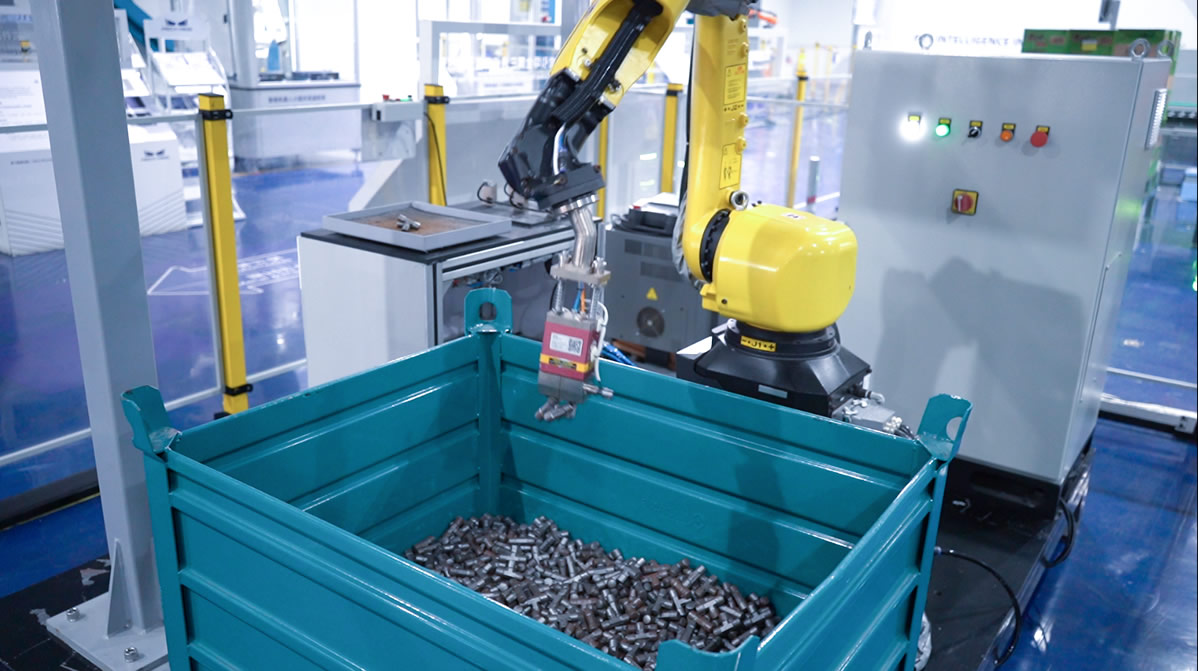
Mech-Mind's 3D vision-guided machine tending solution enables robots to quickly detect the most challenging parts of various sizes and shapes, accurately pick them, and stably place them at designated locations.
Core Advantages

Plug and Play, Easy to Use
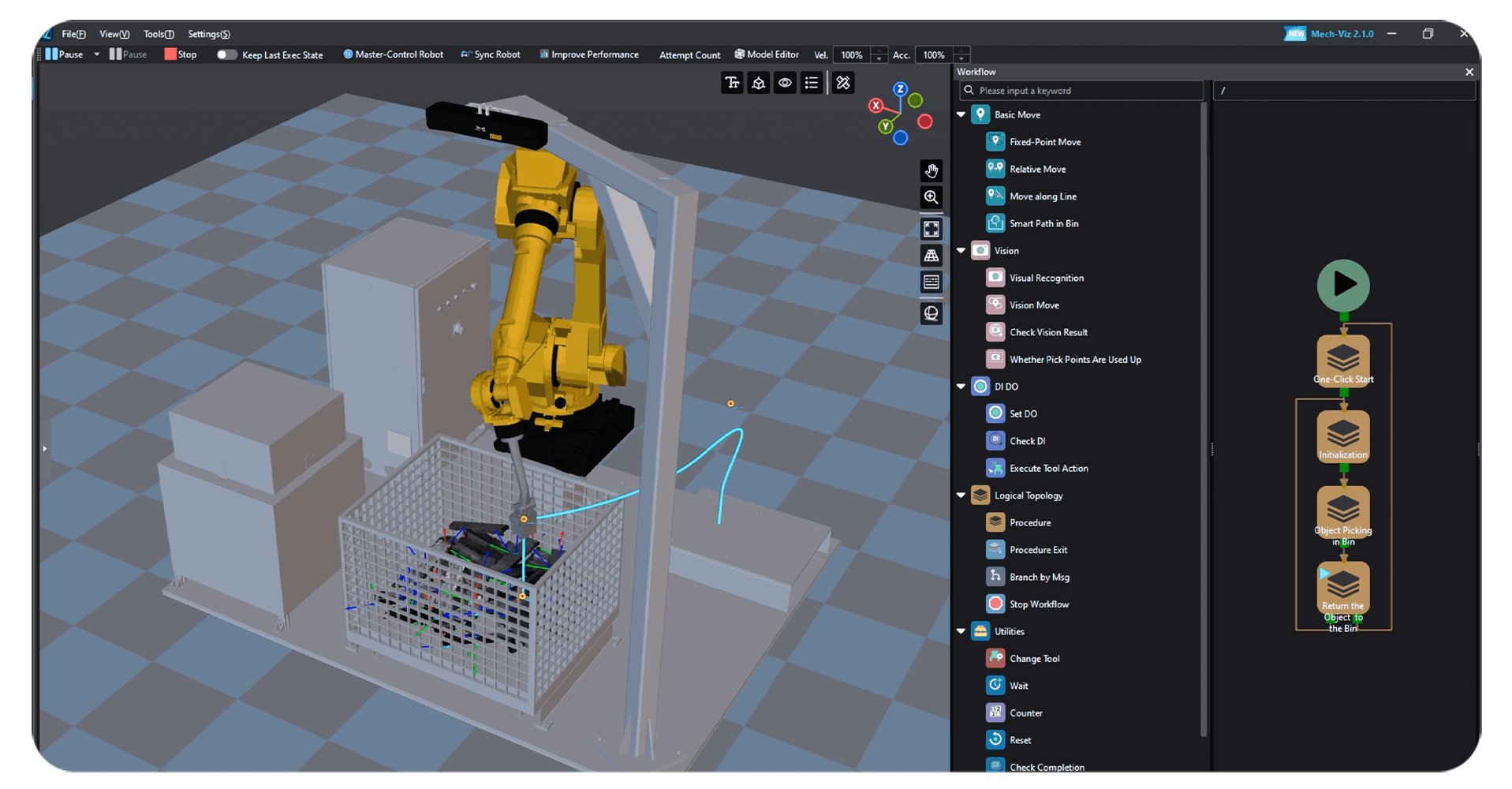
With a visualized interface, Mech-Viz robot programming software can simulate the robots' path with one click. The code-free programming environment enables a low threshold for users to deploy.

Robust Recognition
Parts can be reflective, finished, glossy, tiny, thin, curve-edged, or complex-shaped. Parts can be arranged in a random order, overlap or be densely stacked.
Intelligent AI Algorithms
The powerful path planning and collision detection algorithm guarantees the movement of robots is precise and collision-free.
Specification
| Objects | Support objects in different sizes and shapes (including randomly stacked tiny objects, complex-structured metal parts with dark or shiny surfaces, etc.) |
|---|---|
| Robot Brands | Can be adapted to various mainstream robot brands |
| Calibration | Self-calibration |
Intelligent Algorithms
Intelligent Picking Strategy
- The intelligent picking strategy guides the robot to accurately pick up objects. The picking success rate is > 99%.
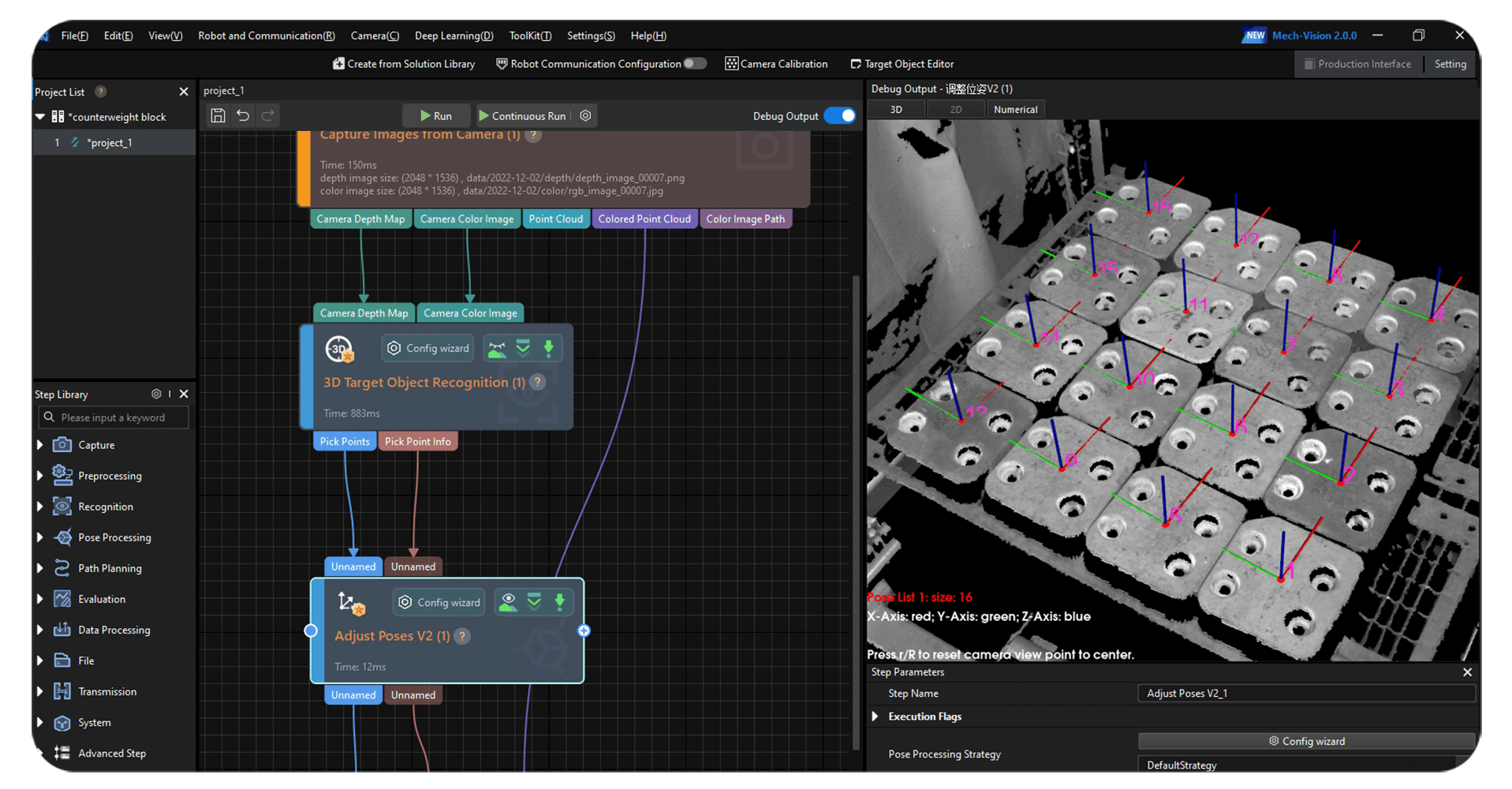
Mech-Vision Machine Vision Software
- Mech-Vision simplifies all codes into steps, users can edit algorithms without writing any codes.
- It can support users to develop customized algorithms and independently deploy multiple typical applications.
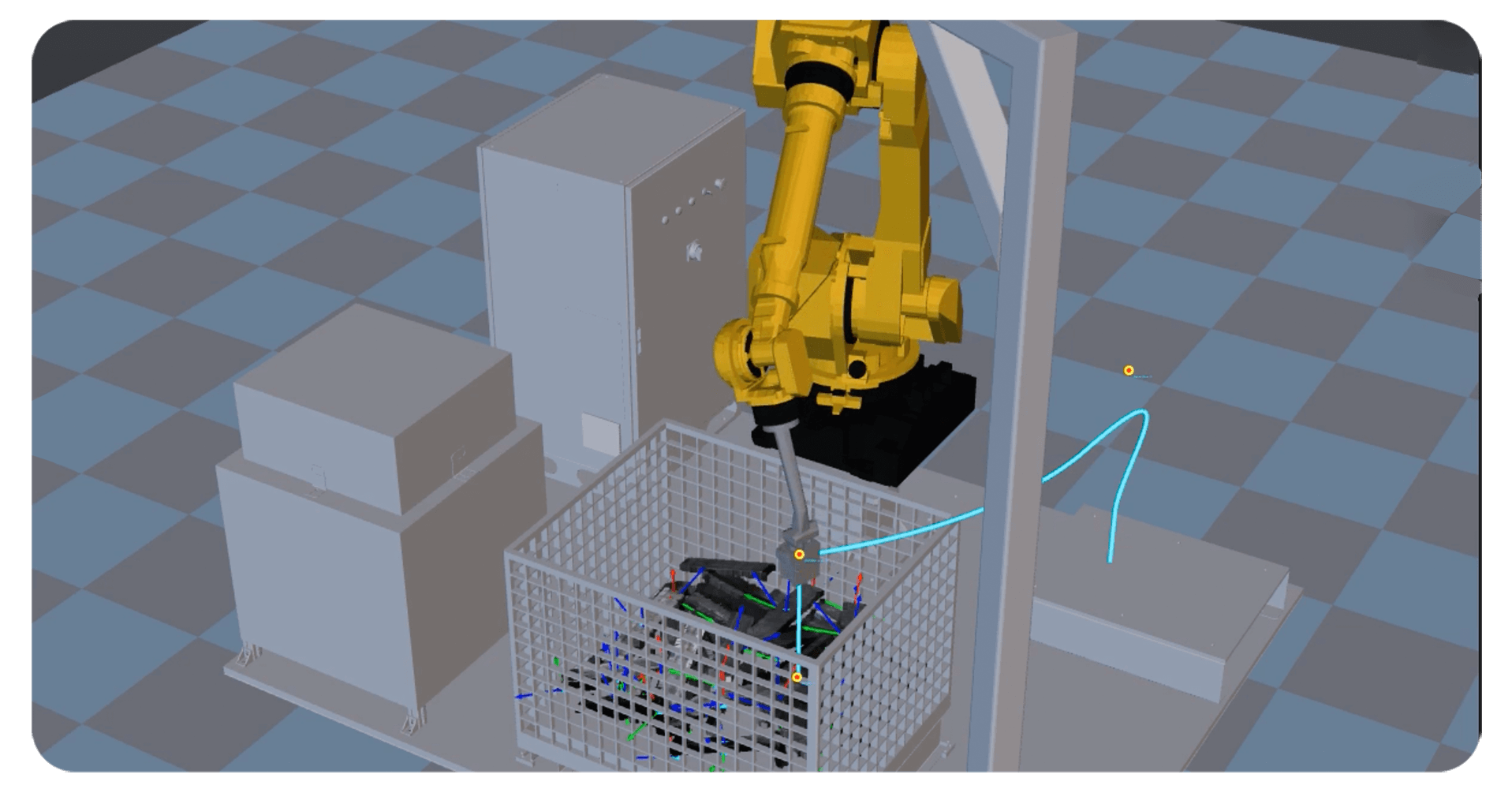
Mech-Viz Interface
- One-click simulation on the left side of the software. Users can intuitively see the robot's motion path, recognition results and collision model.
- The right side is the robot operation process, which is easy to learn to operate.
- Different from traditional code-based programming software, Mech-Viz is a graphical and visual programming software.
- Built-in intelligent algorithms such as path planning, collision monitoring, and picking planning can help the robot plan the optimal route and avoid collision.
- With Mech-Viz, users can manipulate robots after simple training.
- Our solutions can be adapted to various mainstream robot brands.
Mech-Eye Industrial 3D Cameras
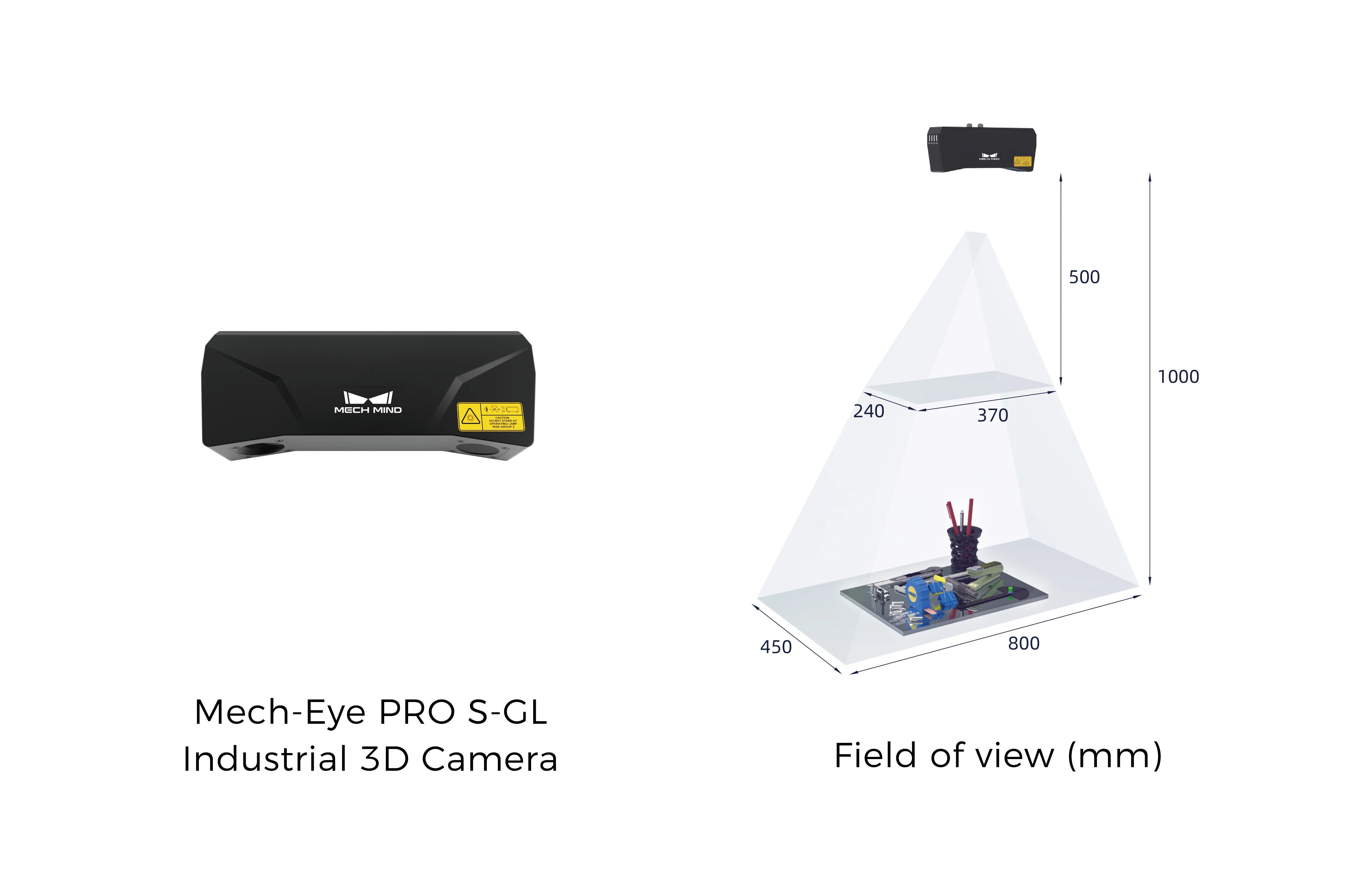
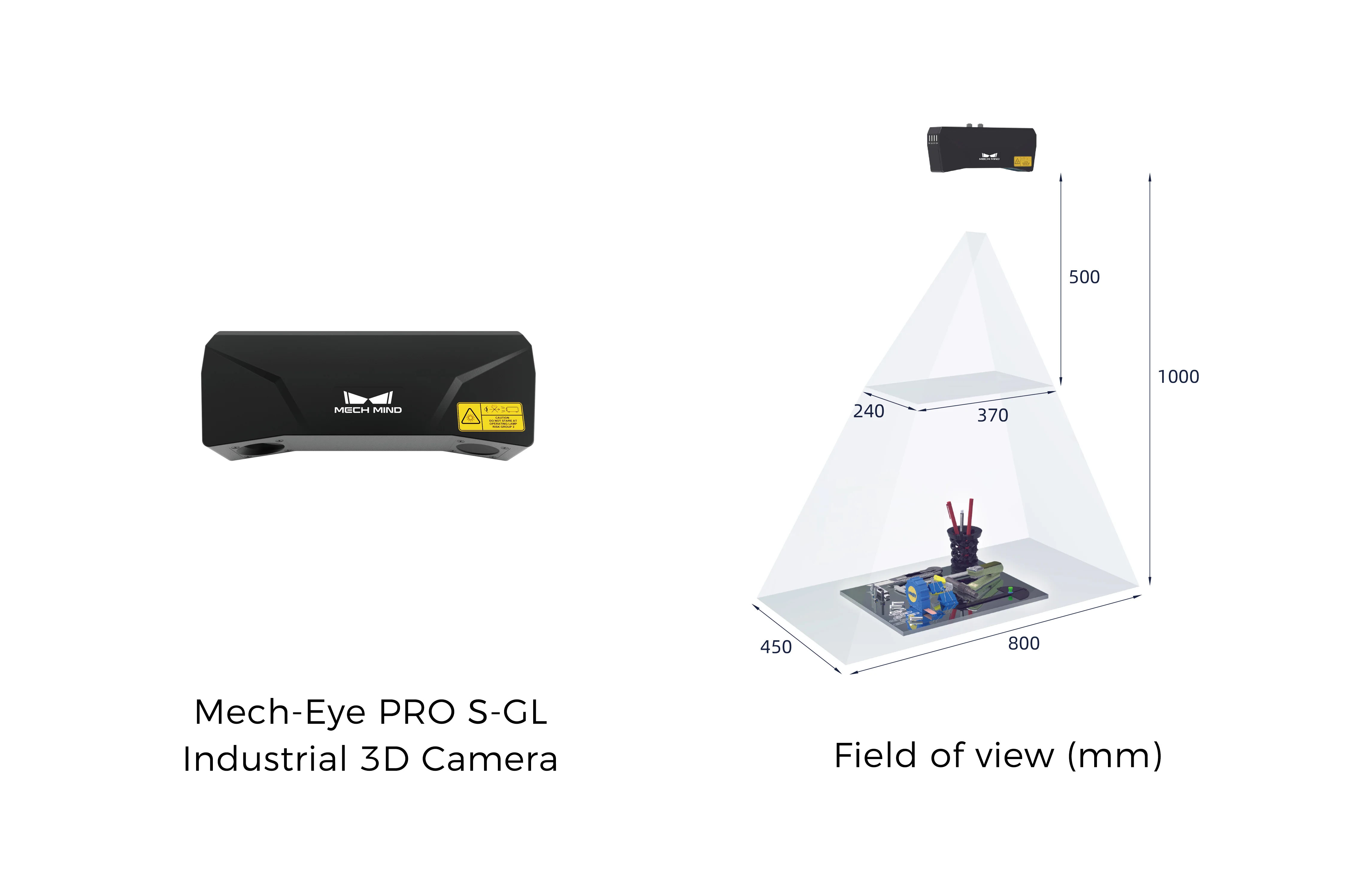
Mech-Eye PRO S-GL Industrial 3D Camera
- High accuracy
- Detail-rich 3D point clouds
- Rapid image acquisition
- Designed for short- and medium-range applications
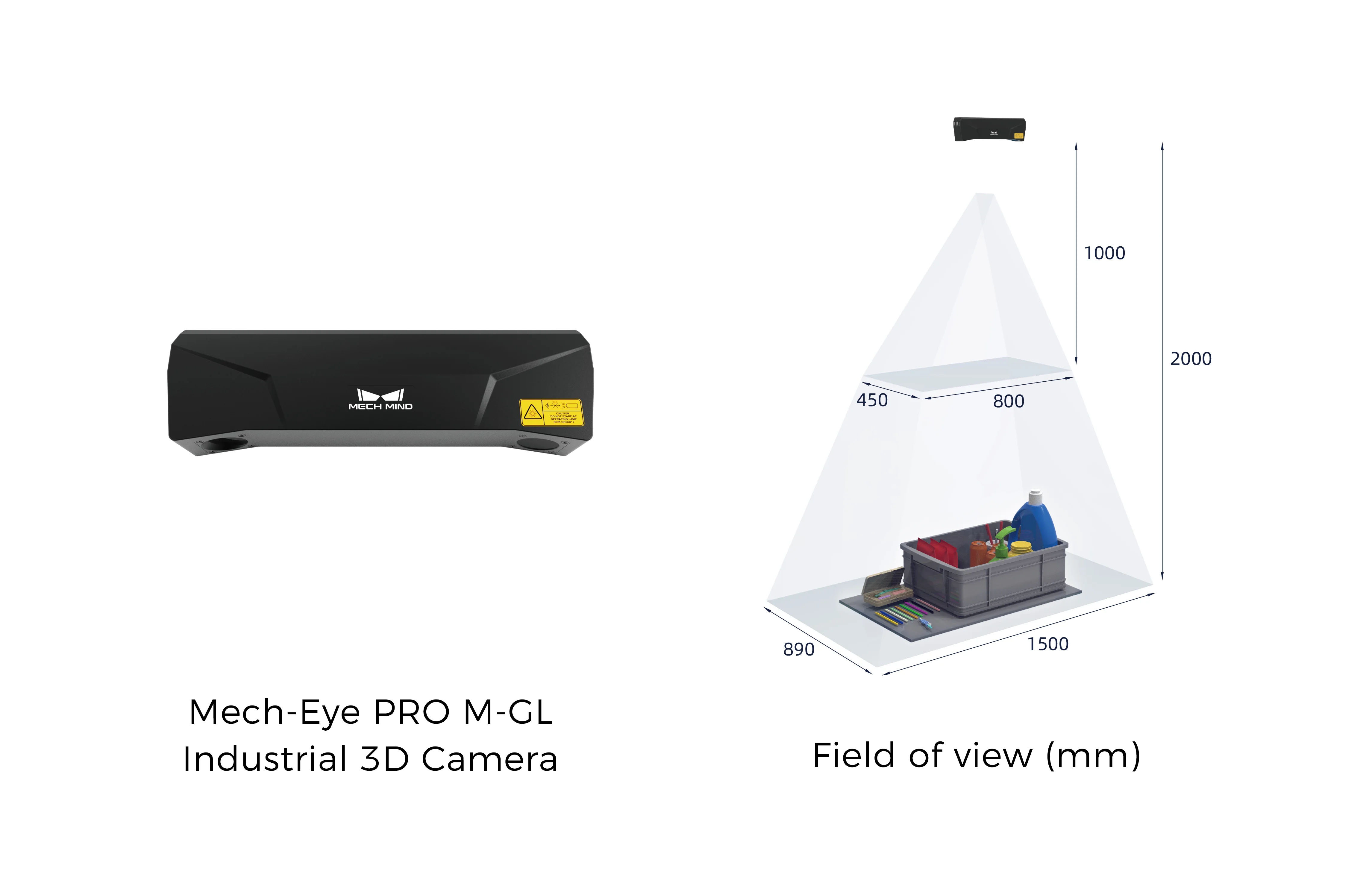
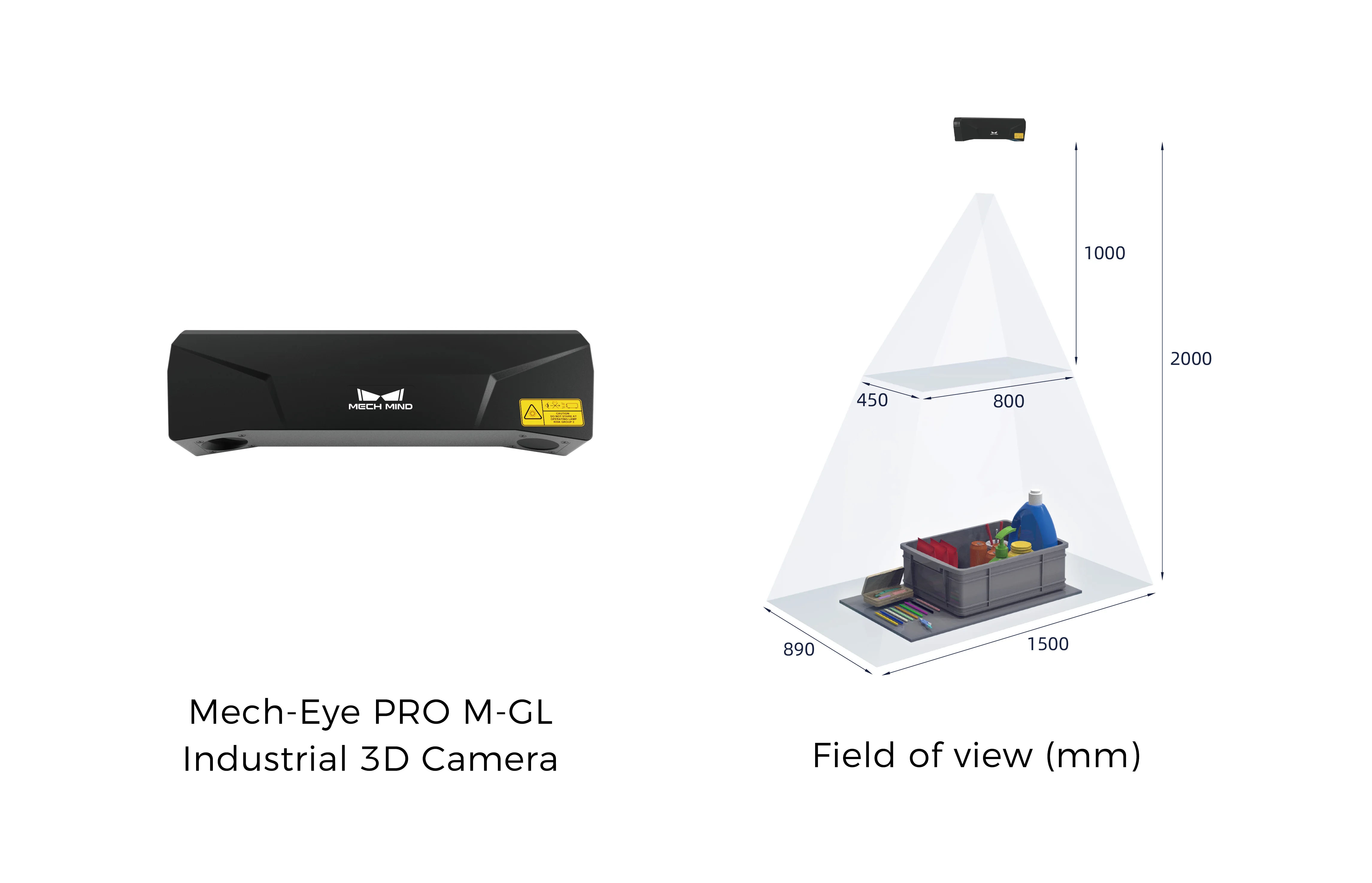
Mech-Eye PRO M-GL Industrial 3D Camera
- High accuracy
- Extended FOV
- Detail-rich 3D point clouds
- Rapid image acquisition
- Designed for medium-range robotic applications
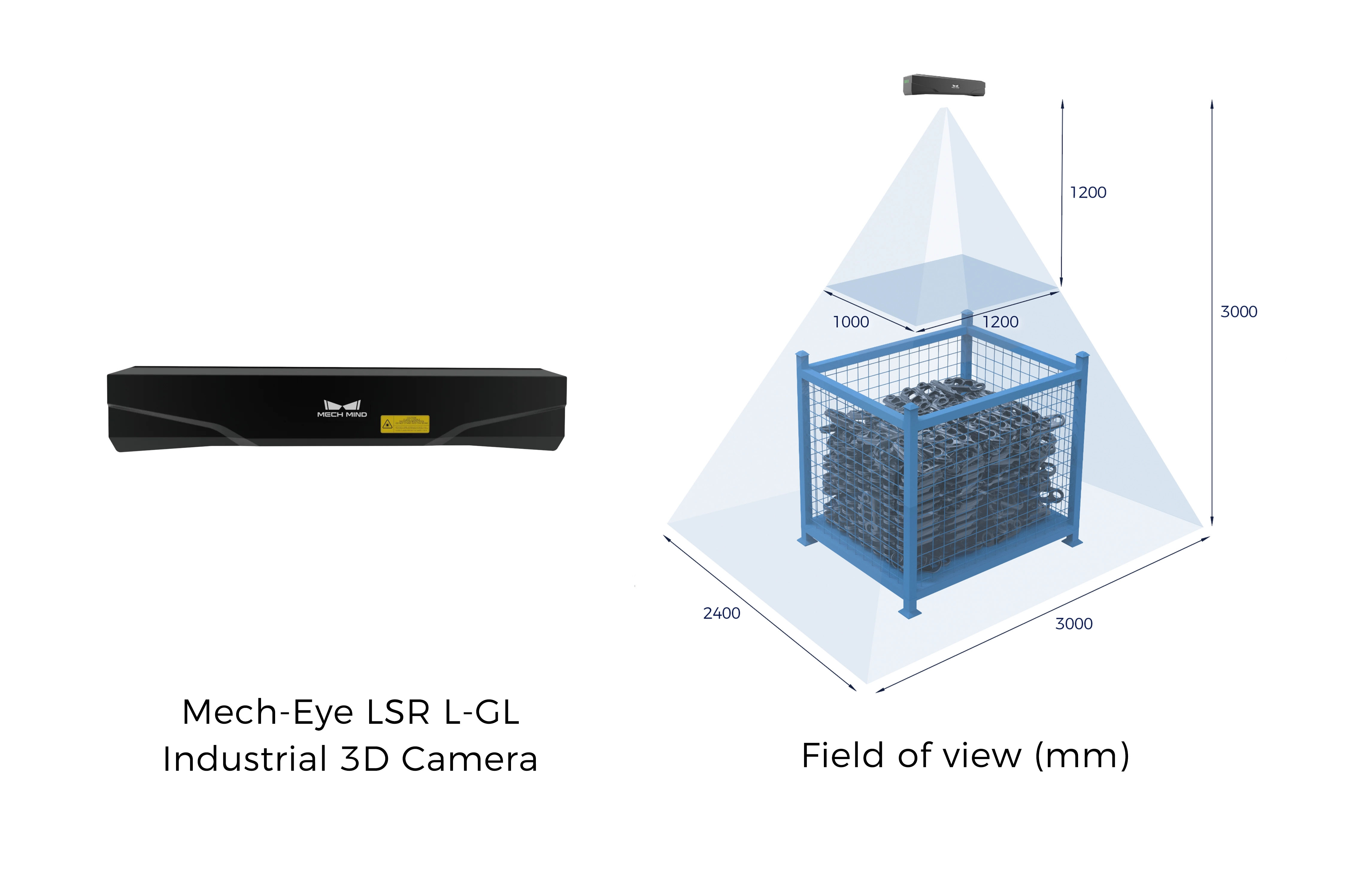
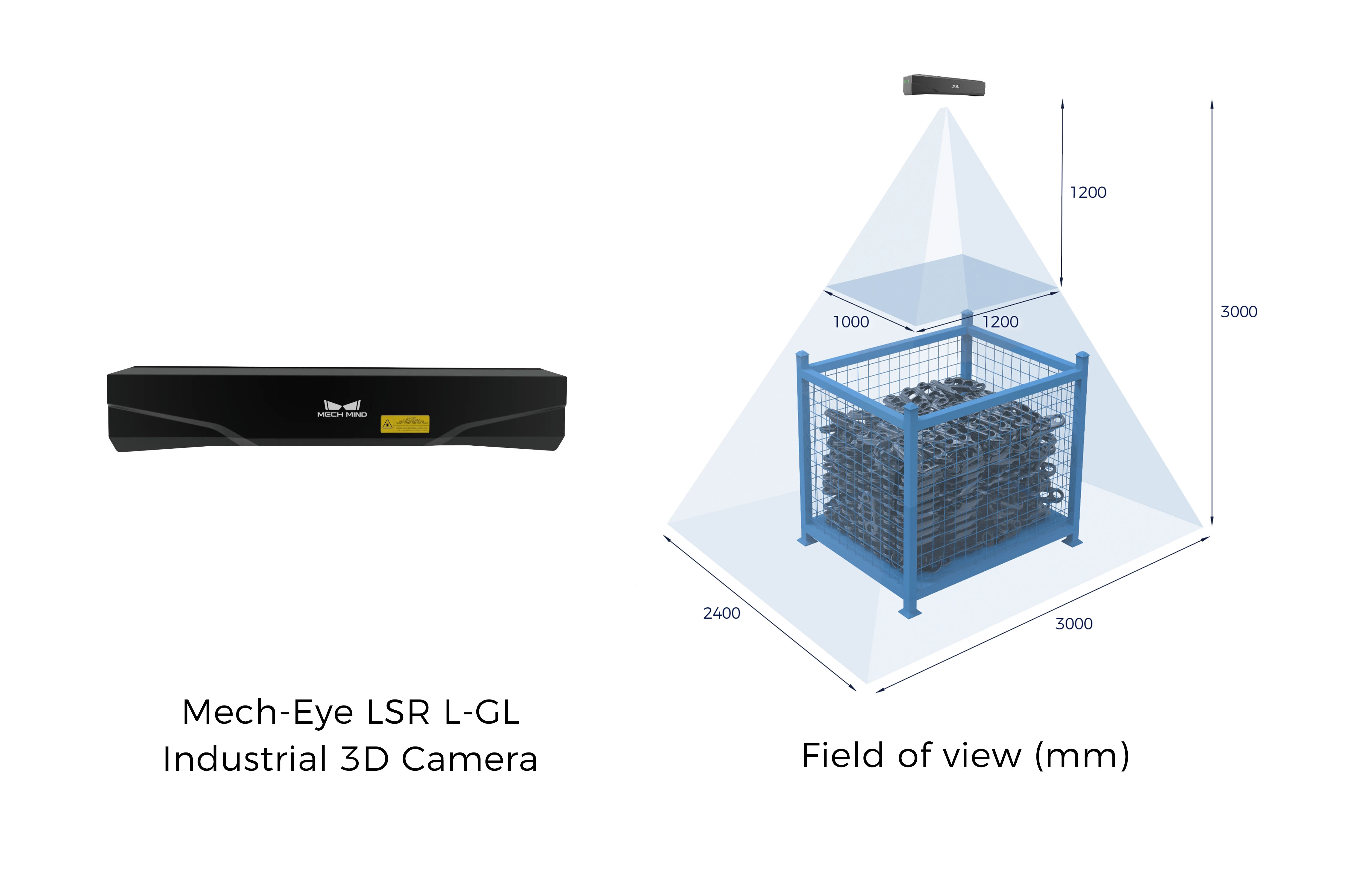
Mech-Eye LSR L-GL Industrial 3D Camera
- Large FOV
- Ambient light resistance
- Robust interreflection suppression
- Ideal for robotic guidance
Highly Accurate 3D Point Clouds
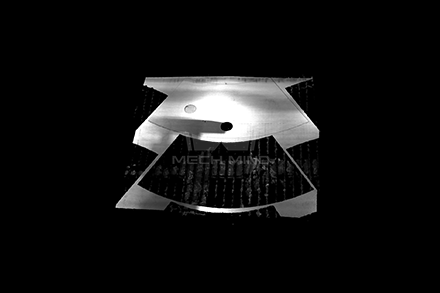
Steel plates
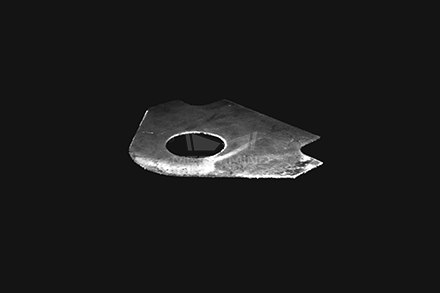
Steel plate
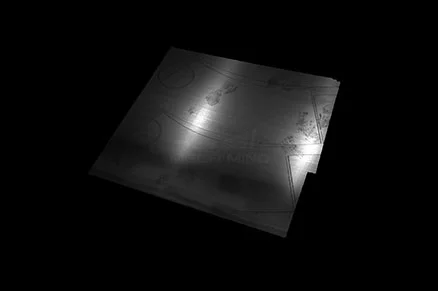
Steel plates
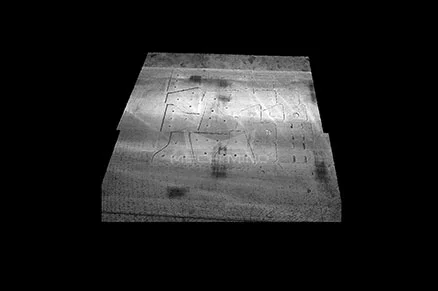
Steel plates
Cases


Videos

Popular FAQs for Machine Tending
Q1: What is machine tending?
Machine tending refers to the process of loading or unloading parts into machines, or rather, feeding parts into machines to be further processed.
Q2: What are the main benefits of automated machine tending?
Automated machine tending excels at consistency, flexibility, accuracy, and stability.
Automated machine tending is using intelligent robots to execute the machine tending process. In loading large-volume applications, robots can take over physically repetitive and dangerous loading tasks from workers. In feeding small parts applications, intelligent robots can complete machine tending with high accuracy and fast cycle time.
Q3: What are the common applications of machine tending?
Common applications of machine tending include metal parts picking, steel plate cutting, steel beveling, polishing, and any other operations involving feeding parts or objects to be further processed or machined.