Blog
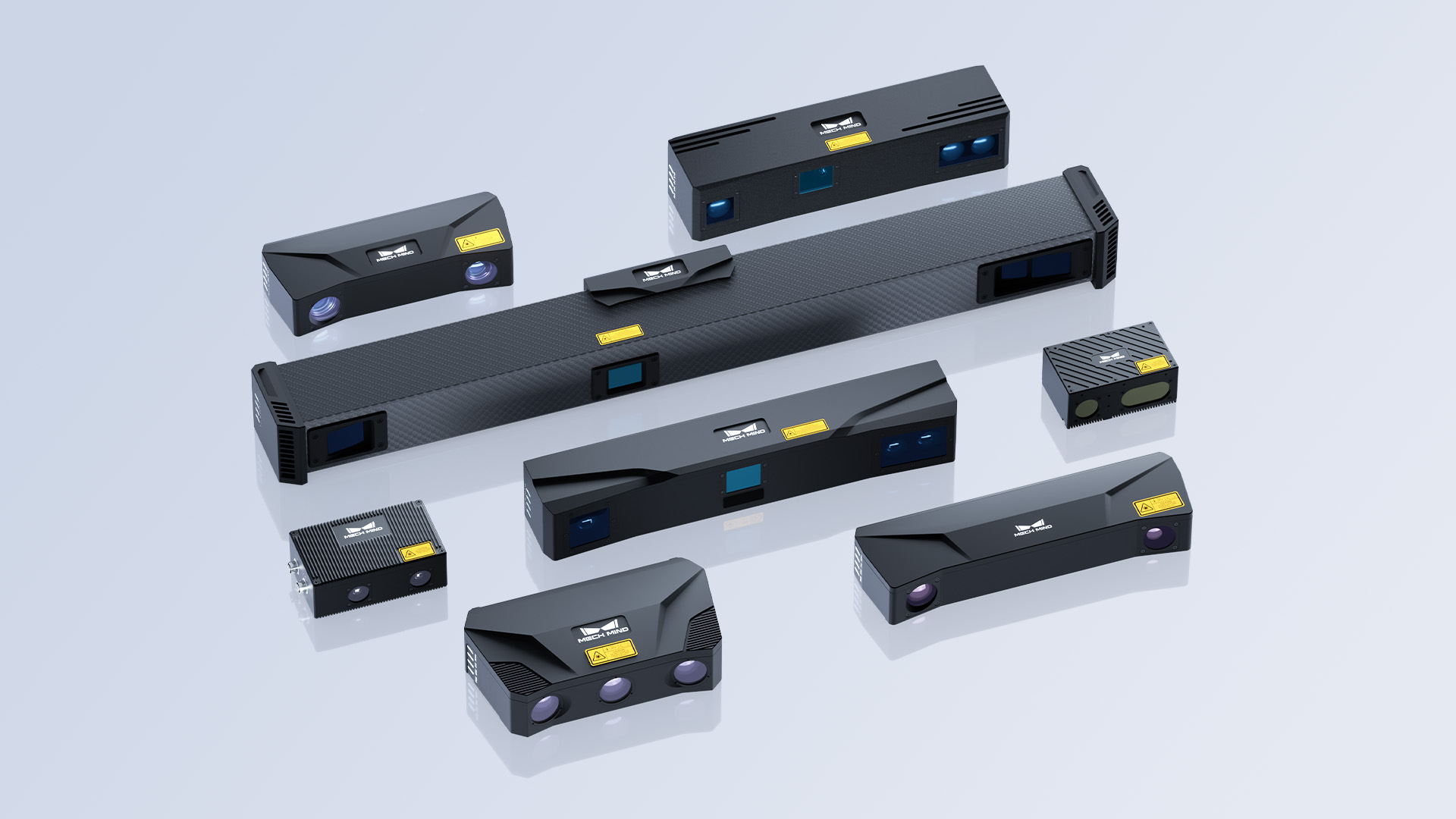
Beyond Specifications: How to Choose a Reliable Industrial 3D Vision System
Selecting the right industrial 3D vision system is not only about comparing camera specifications such as resolution, accuracy, field of view, and scanning speed. These parameters are important, but t...
July 21, 2026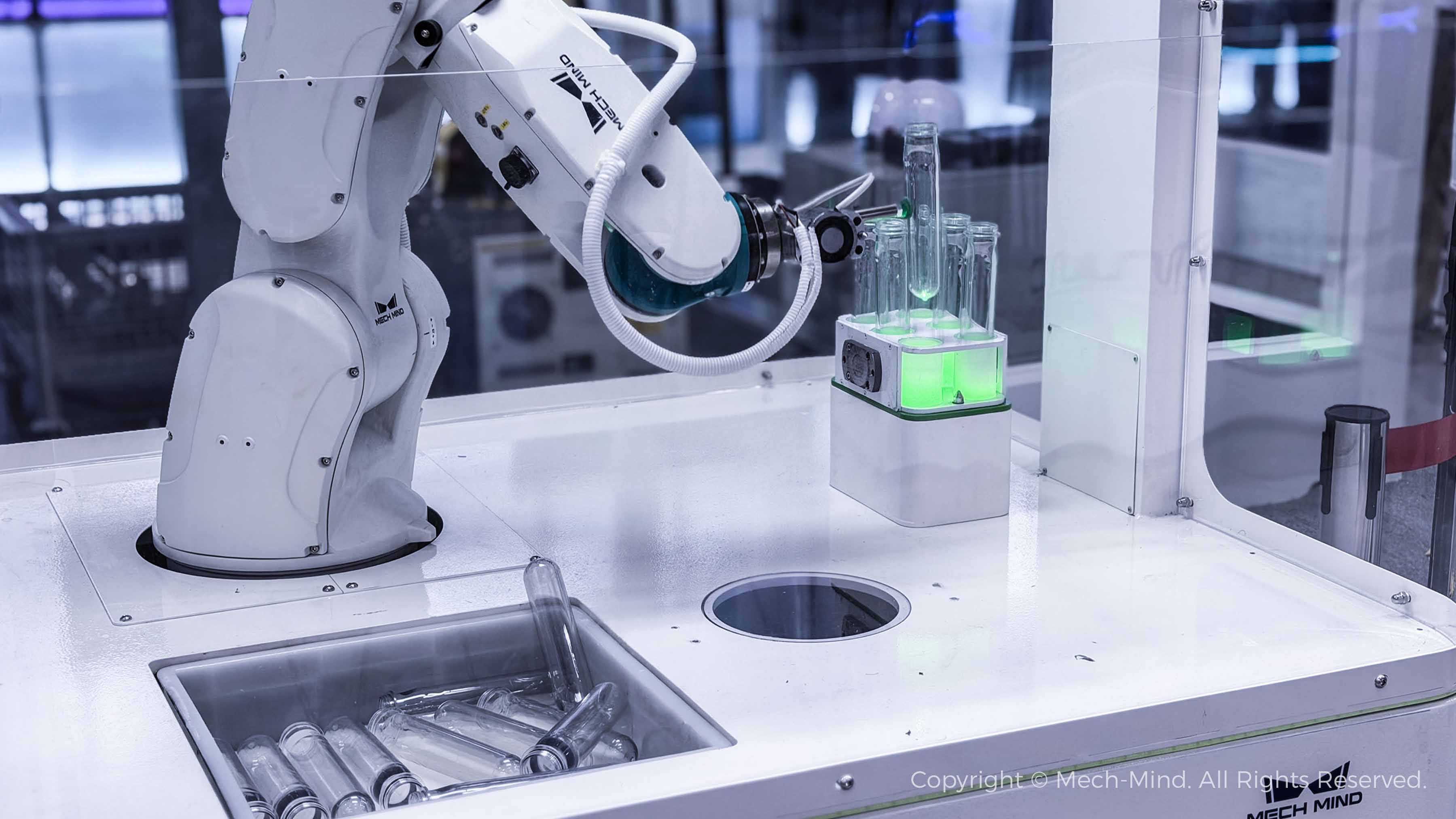
Seeing the Invisible: Why Transparent Objects Are So Hard for Robots
Transparent objects seem ordinary in daily life, but for robots, they are some of the most difficult targets to see and handle. Clear bottles, plastic containers, medical vials, lamp covers, and trans...
May 17, 2026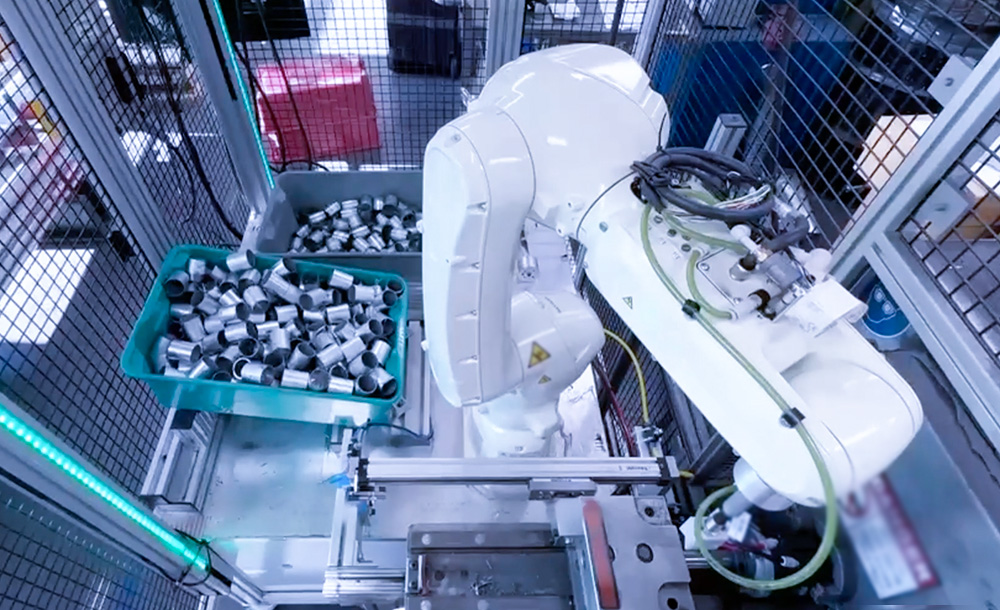
From Challenge to Reliability: Handling Reflective Parts with Mech-Mind “Eye + Brain”
In real world industrial environments, robotic performance is often affected by changing ambient light, reflective surfaces, and surrounding clutter. Among these, high reflectivity is a common chal...
March 25, 2026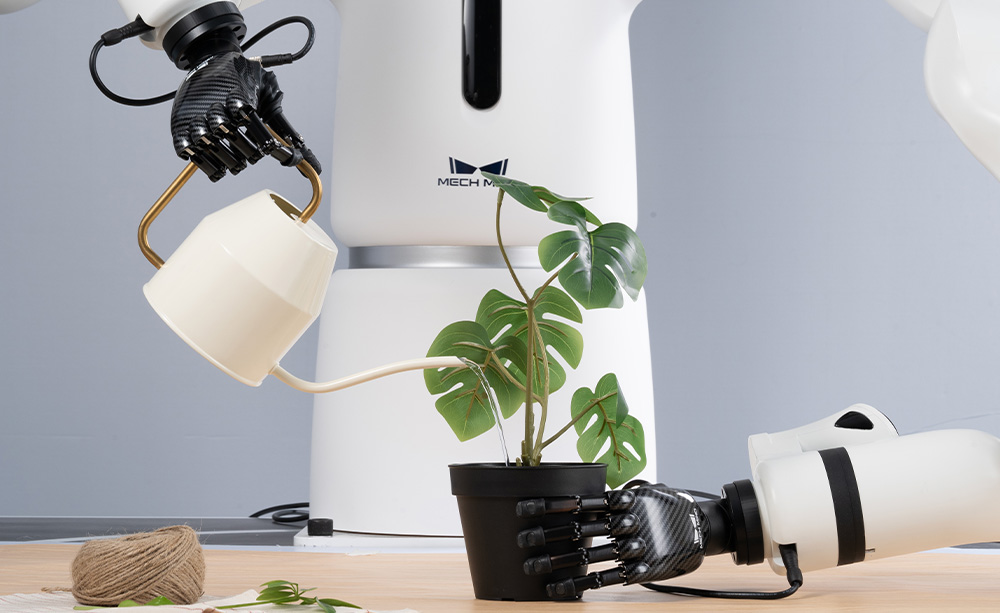
How Robot Systems Power Sustainable, Low-Carbon Manufacturing
Over the past few years, global manufacturing has accelerated its move to low carbon, environmentally responsible production . Sustainable manufacturing has moved beyond a concept into concrete, m...
February 25, 2026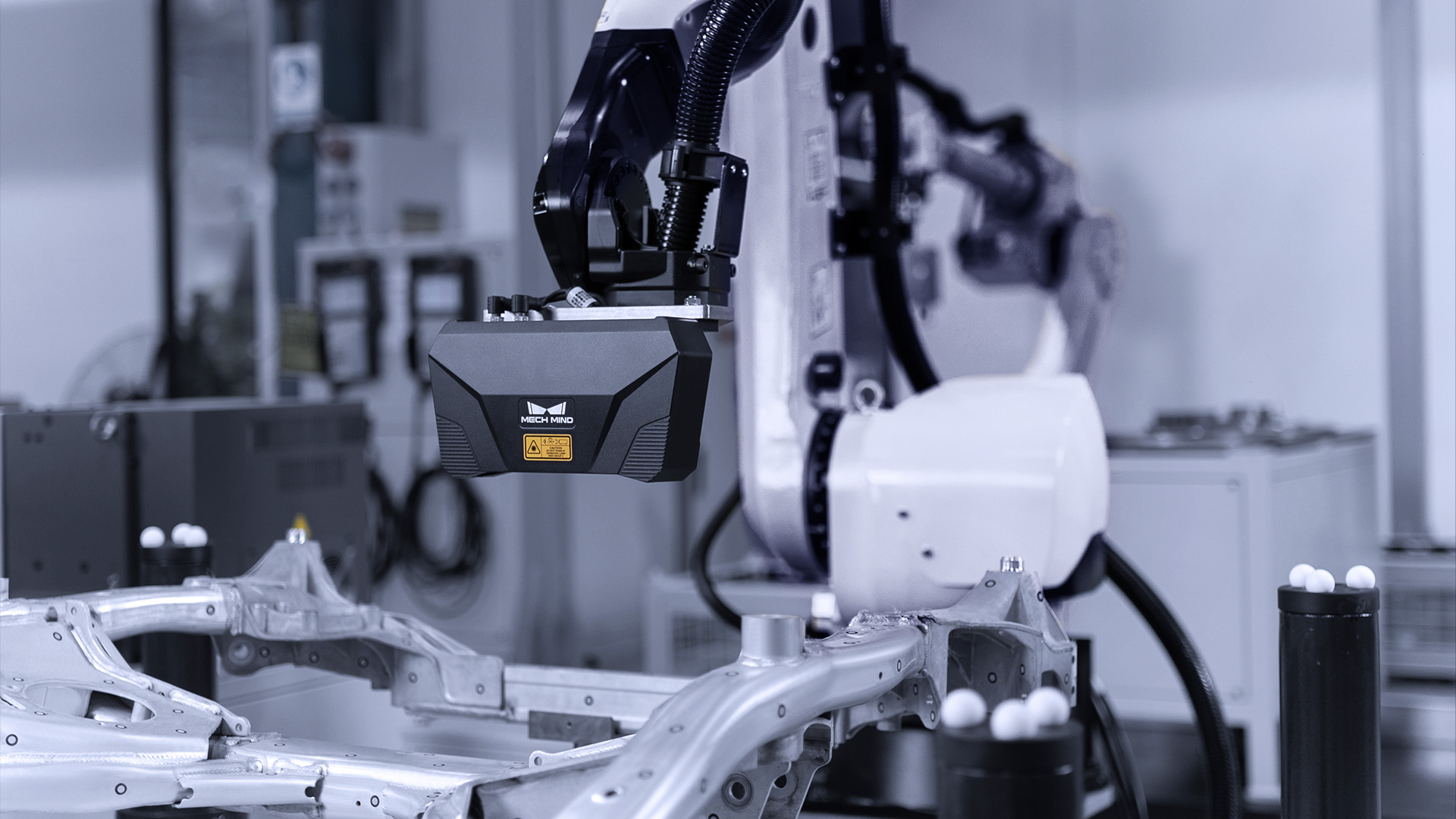
From Factory Floors to Global Lighthouses: 3D Vision's Role in 2026 Industrial Automation Goals
In January 2026, the World Economic Forum (WEF) Annual Meeting in Davos once again put advanced manufacturing in the global spotlight. In recent years, a clear message has become increasingly app...
January 20, 2026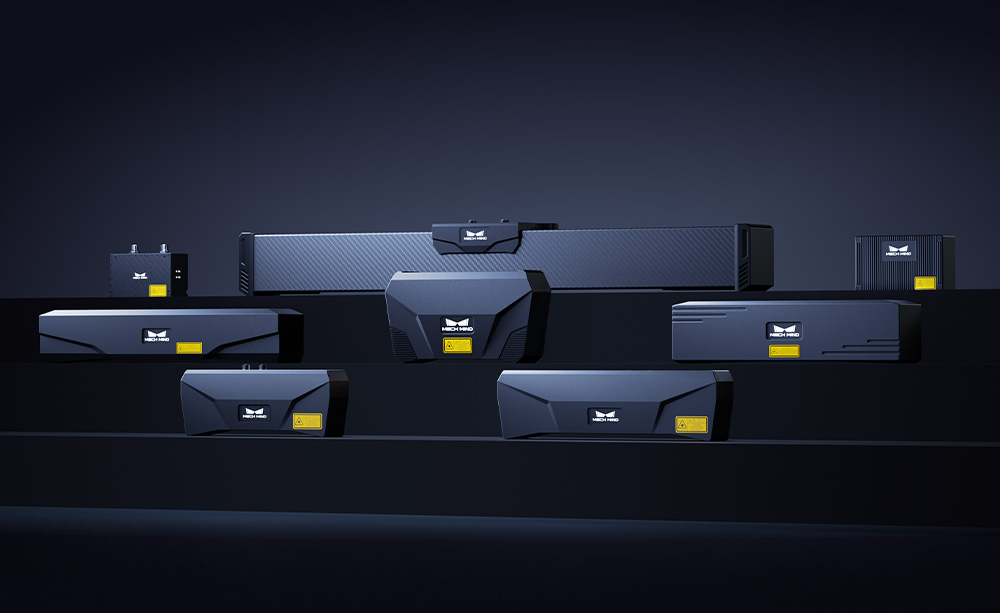
Why Leading Integrators and End-Customers Choose Mech-Mind for Reliable 3D Vision
In today’s rapidly evolving automation landscape, choosing a 3D vision system is no longer just a technical decision—it is a long term investment in reliability, scalability, and production stabilit...
December 24, 2025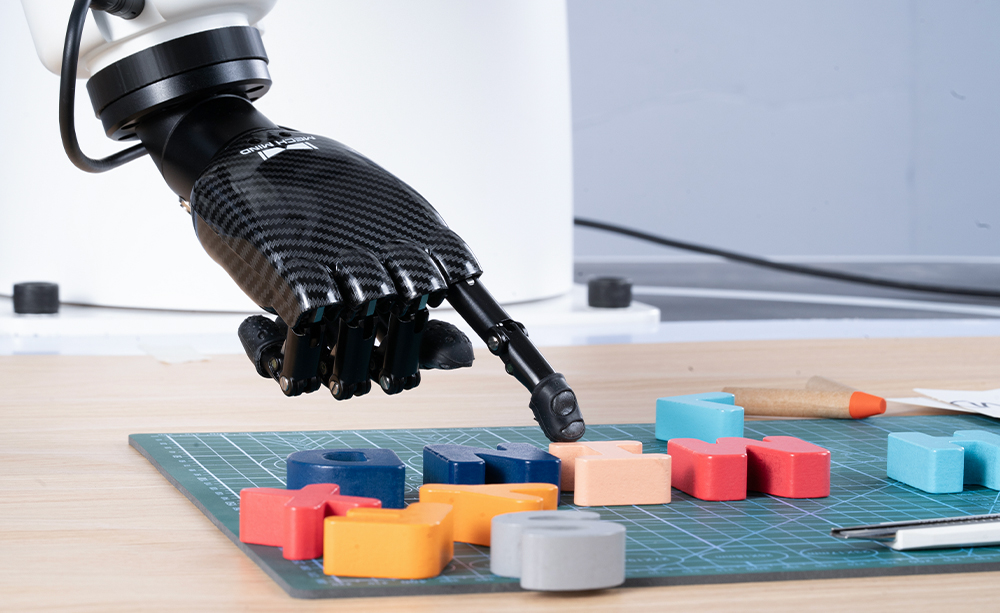
The Dexterous Hand: Why It Matters, How It Evolved, and Where It's Going
Picture this: a robot gently picks up your misplaced keys, untangles a knotted phone charger, or even threads a needle—all reliably, safely, and without any special setup. This isn’t a scene from a fu...
November 24, 2025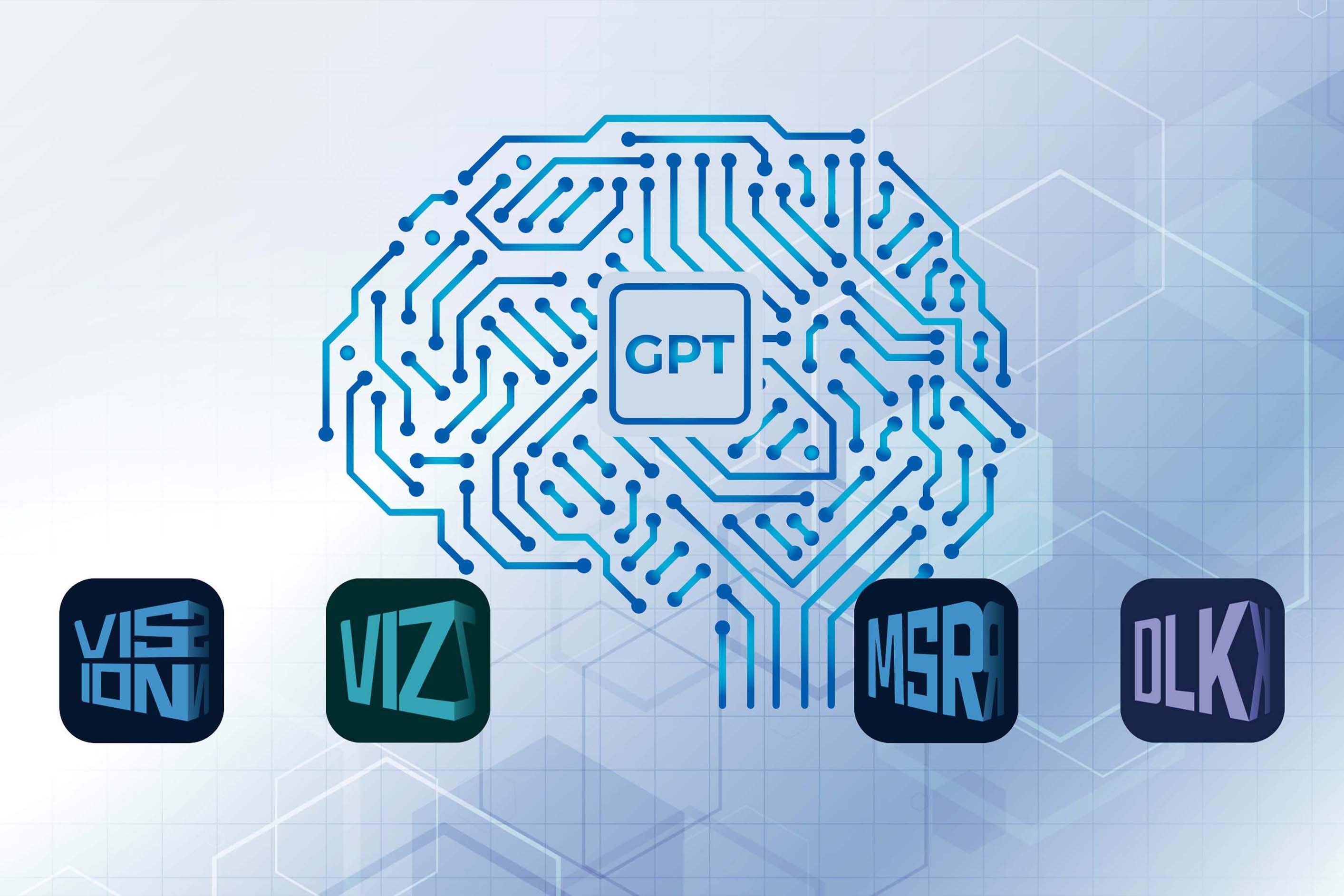
Machine Vision Software Trends: The "Brain" Behind Intelligent Automation
As manufacturers race toward smarter, more autonomous production, machine vision software has become the intelligence layer that converts perception into action. Cameras and sensors may be the e...
October 20, 2025
The Rise of Embodied Intelligence: Why Robots Are Getting Eyes, Brains, and Hands
Not long ago, automation meant a robot inside a cage, repeating the same motion for years. Modern factories and warehouses, however, are messy environments : parts change, lighting varies, and hu...
September 5, 2025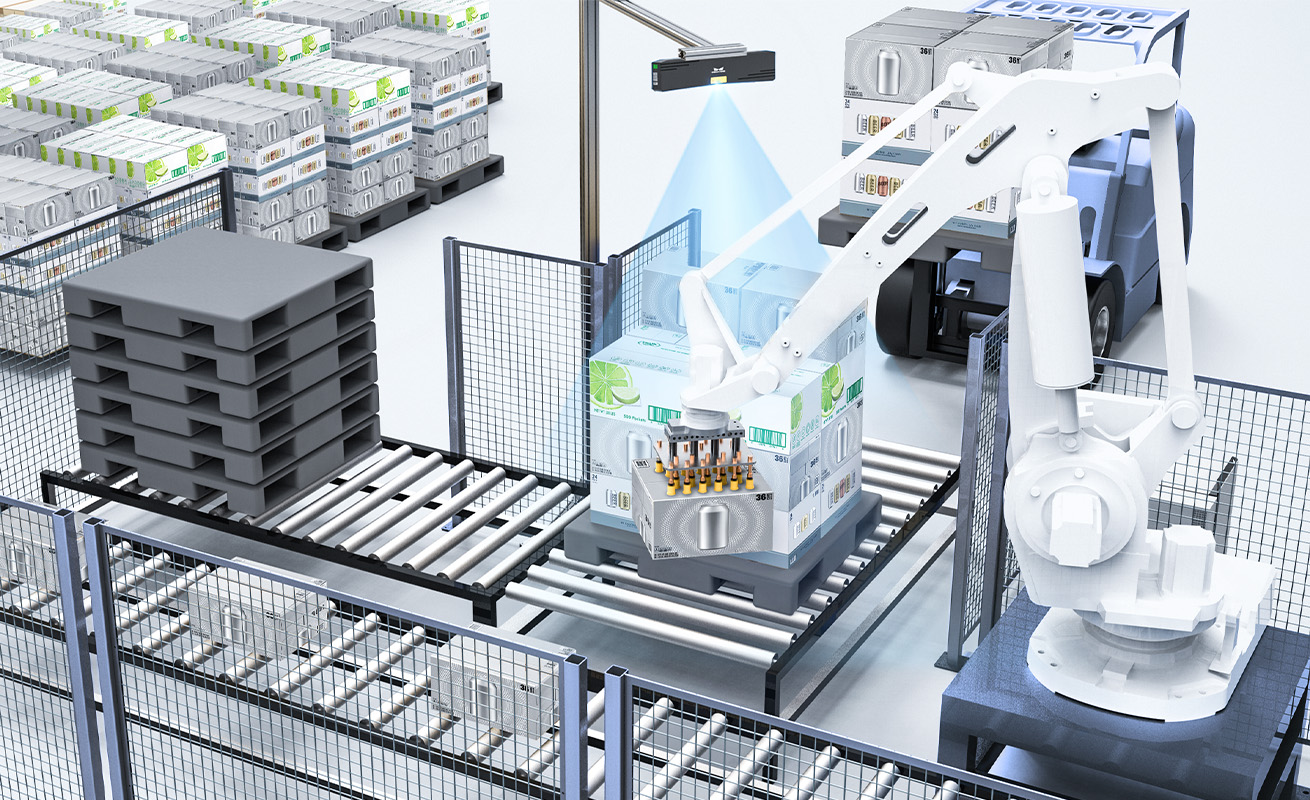
Revolutionizing Food and Beverage Applications: AI + 3D Vision for Smarter, Faster Depalletizing
In recent years, the food and beverage (F&B;) industry has undergone a profound transformation fueled by the surge of e commerce and shifting consumer behavior. The pandemic accelerated this trend, an...
August 13, 2025