
Blog
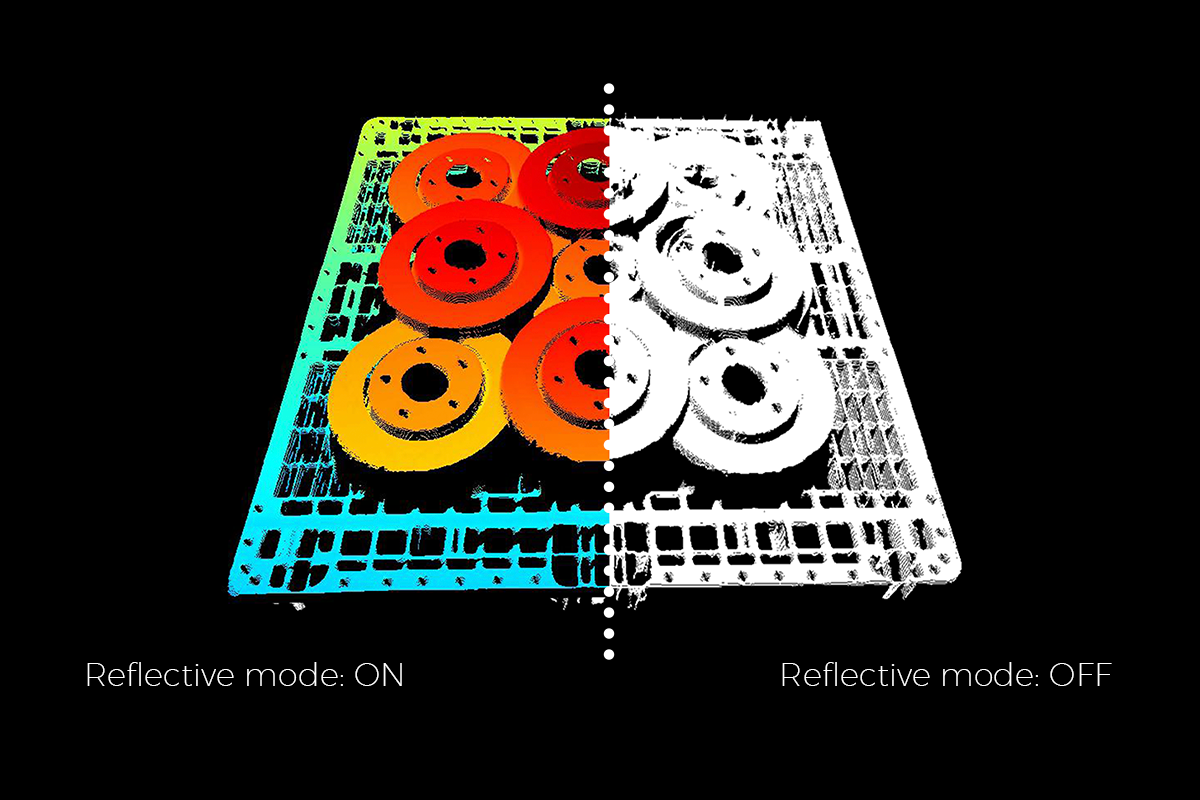
How to get optimal results when 3D scanning dark and reflective objects?
Why polished metals and black plastics defeat conventional 3D scanning, and how Mech-Mind's anti-glare and HDR imaging algorithms recover usable point clouds.
April 11, 2024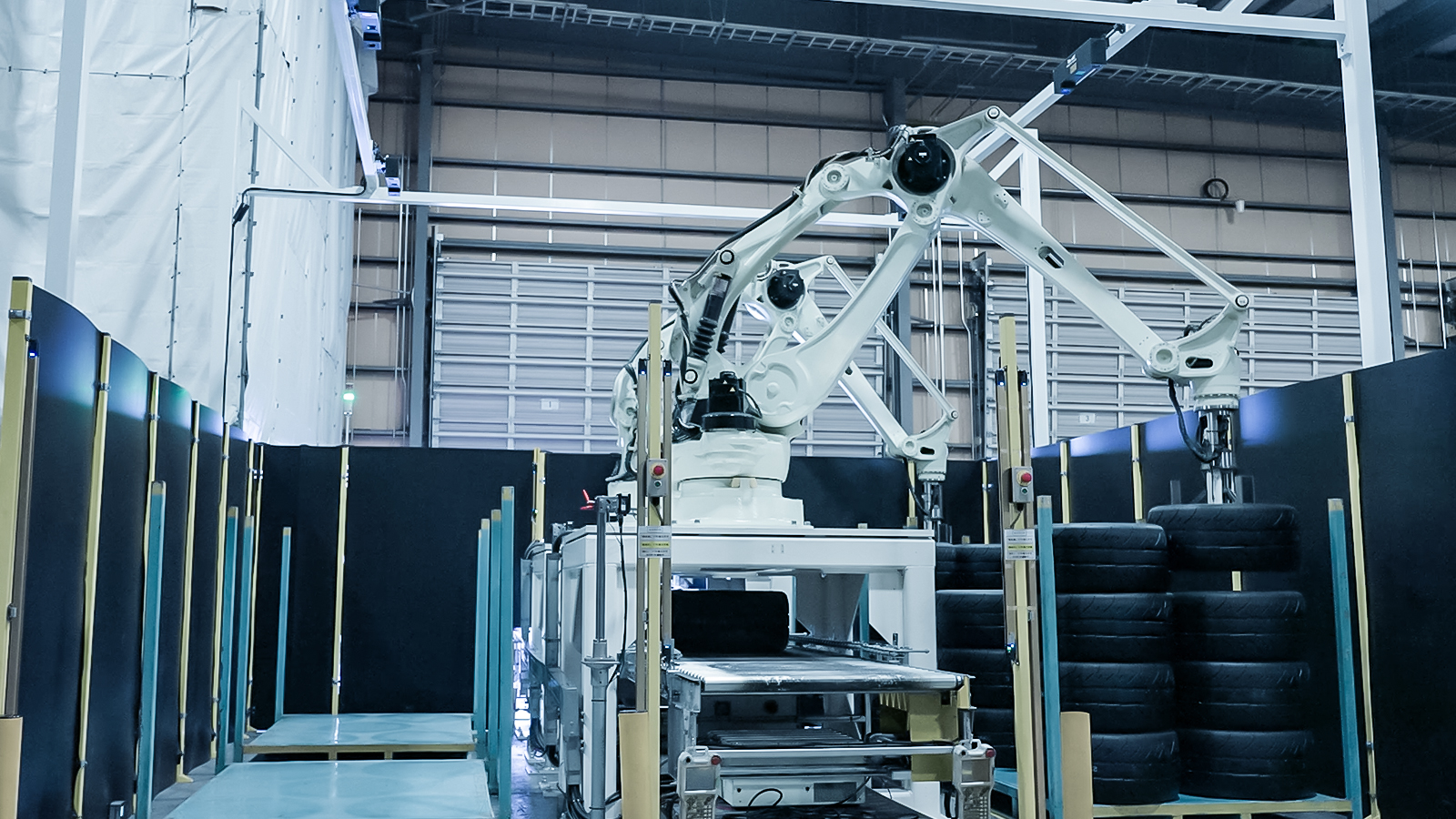
What is Automated Material Handling?
Automated material handling explained: what it covers, why manual handling limits throughput, and the productivity and safety benefits of automating it.
February 21, 2024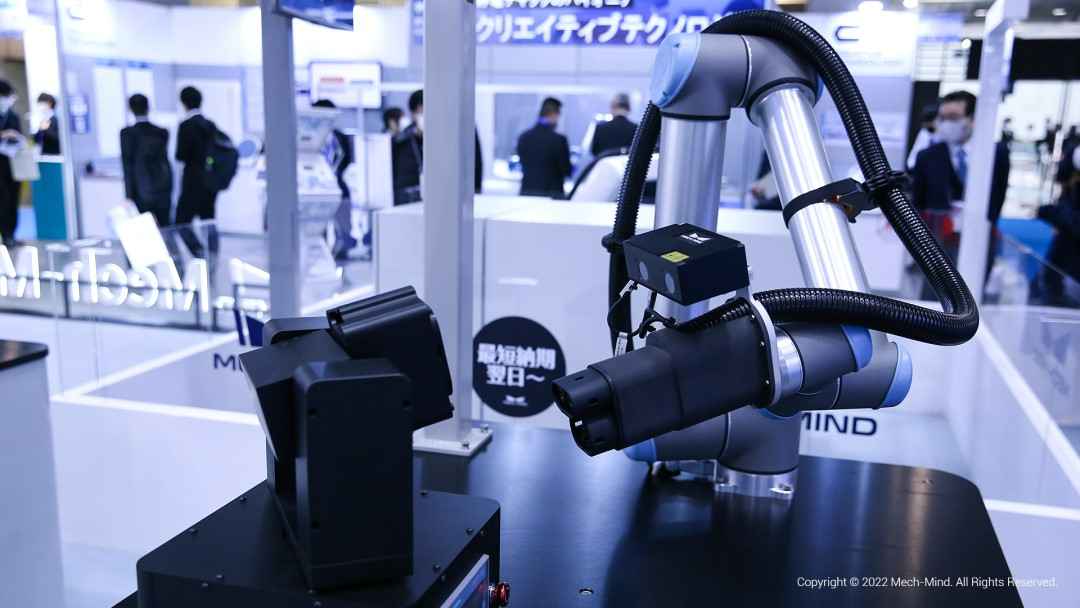
Machine Vision vs. Computer Vision: Differences and Relations
Machine vision vs computer vision: how the two fields differ, where they overlap, and how each is applied in manufacturing inspection and automation.
November 20, 2023
Using 3D Vision for Assembly Robots in Automotive Manufacturing Automation
How 3D machine vision makes automotive assembly robots more flexible, faster and accurate: real-time quality tracking, robot-mounted sensors, feature scanning.
September 27, 2023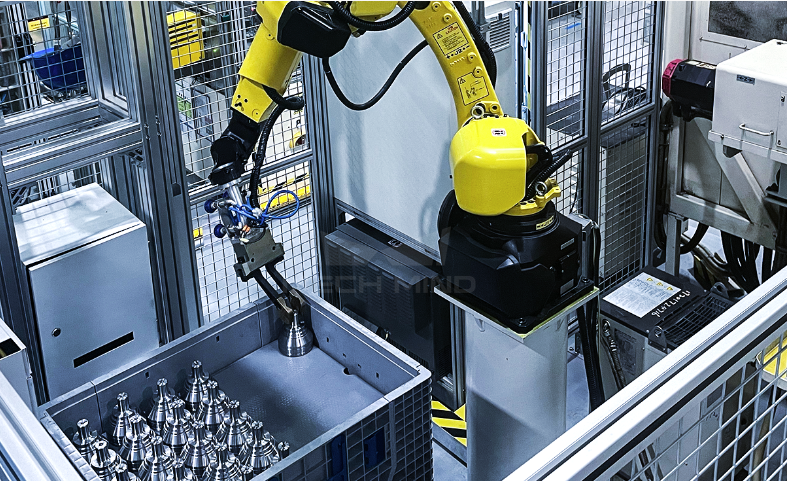
Why Integrating Machine Vision Software in Manufacturing is Important?
What machine vision software does, how it turns images into robot actions, and why integrating it is essential for sorting, inspecting and assembling parts.
July 11, 2023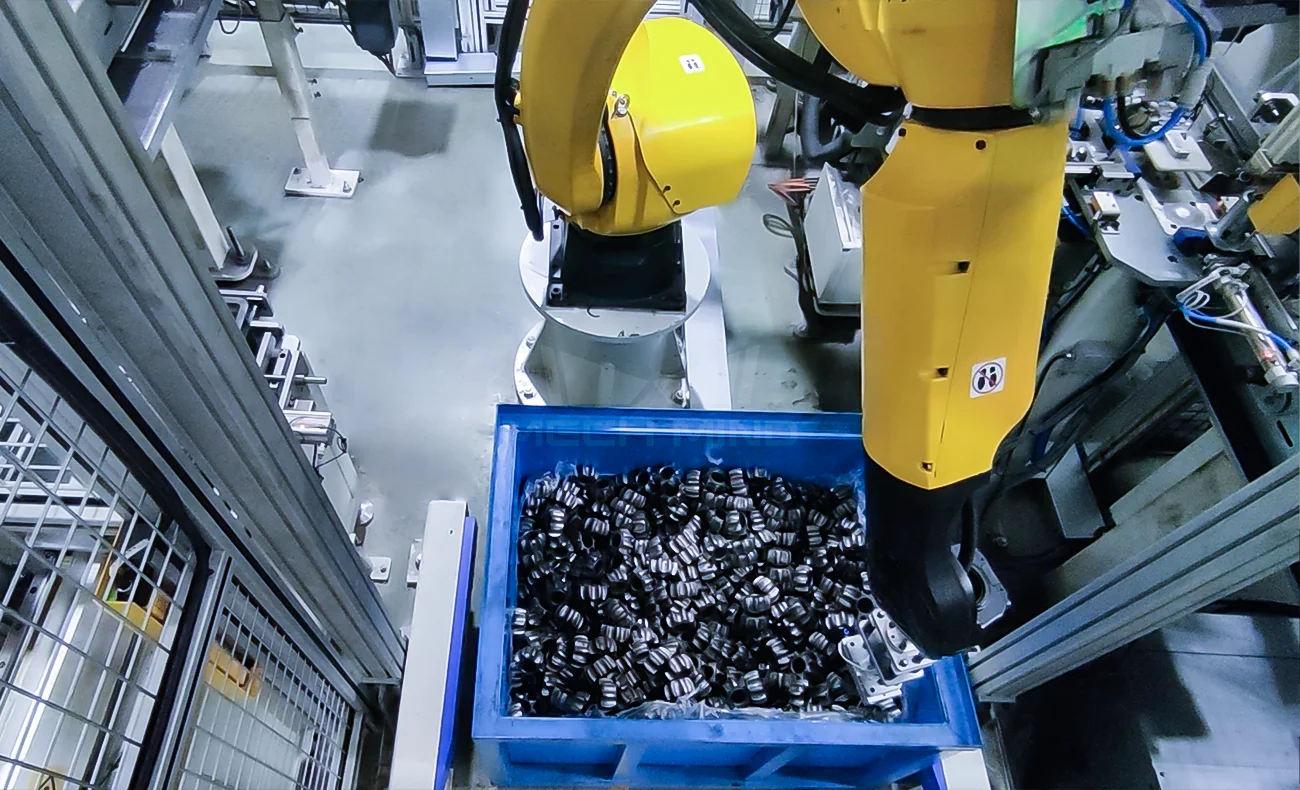
How 3D Vision Works and Helps Robots Pick Better?
The components and workflow behind robotic 3D vision, from cameras and lighting to image processing, and how better imaging improves picking efficiency.
June 21, 2023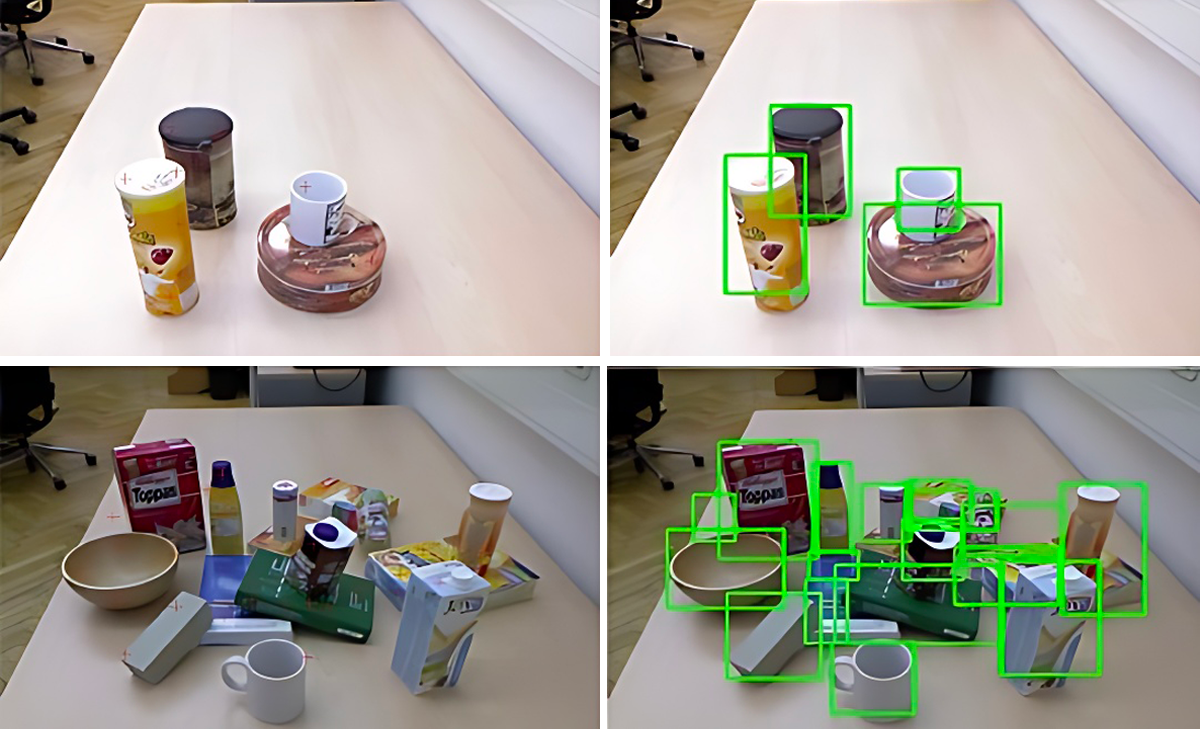
How Robots Use Camera for 3D Object Detection and Tracking?
How robots use 3D cameras and vision software to detect, track and position objects, why accuracy and uptime matter, and what makes detection genuinely hard.
May 10, 2023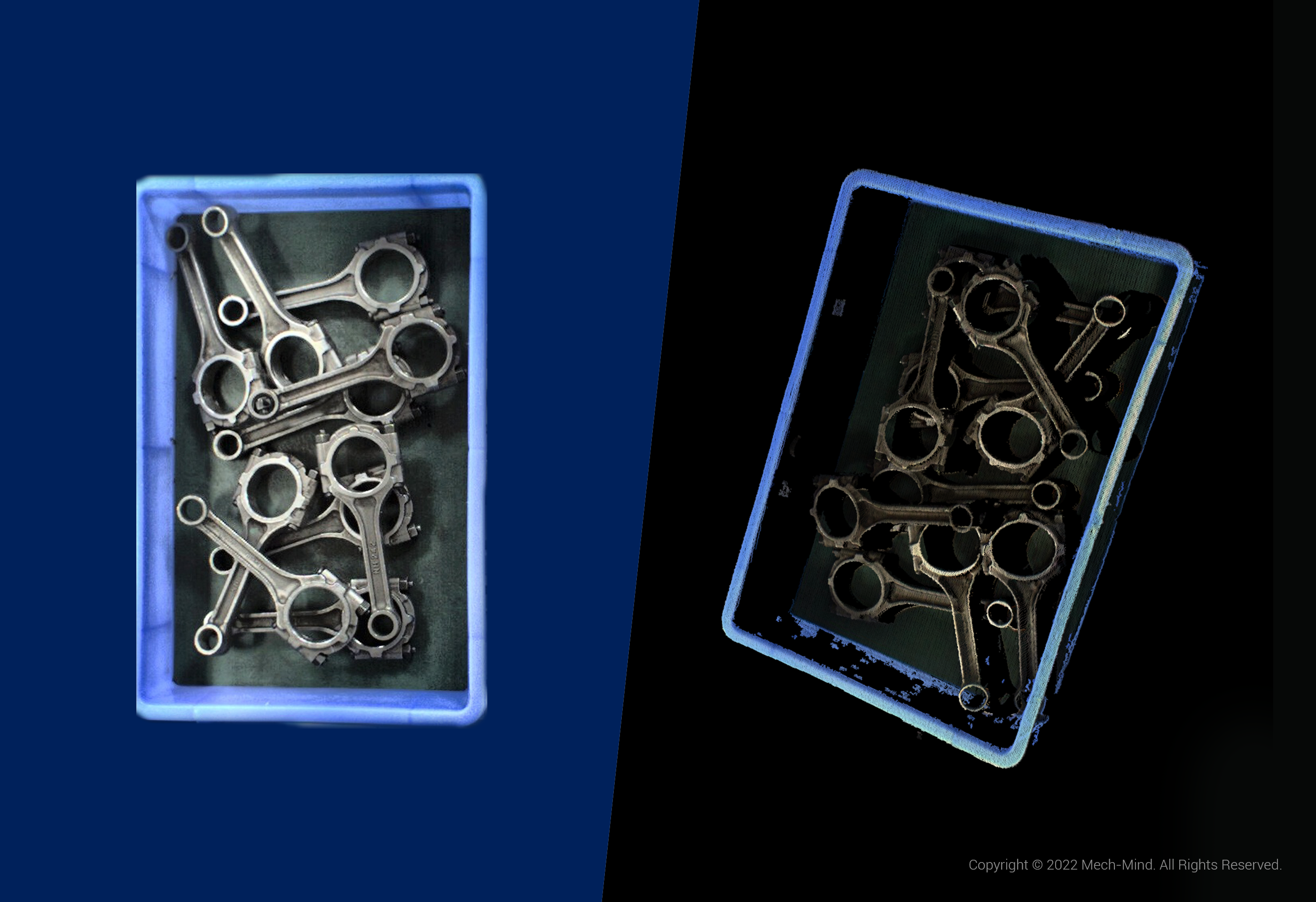
2D vs 3D vision: Which is Better For You?
2D vs 3D vision compared: strengths, limitations and typical applications, and how to decide which system fits your robotic inspection or picking task.
March 10, 2023
The Application of 3D Sensor in Robotics
What 3D sensors are, how stereo, structured light and time-of-flight sensors work, and how they give robots 3D awareness for navigation, picking and assembly.
February 9, 2023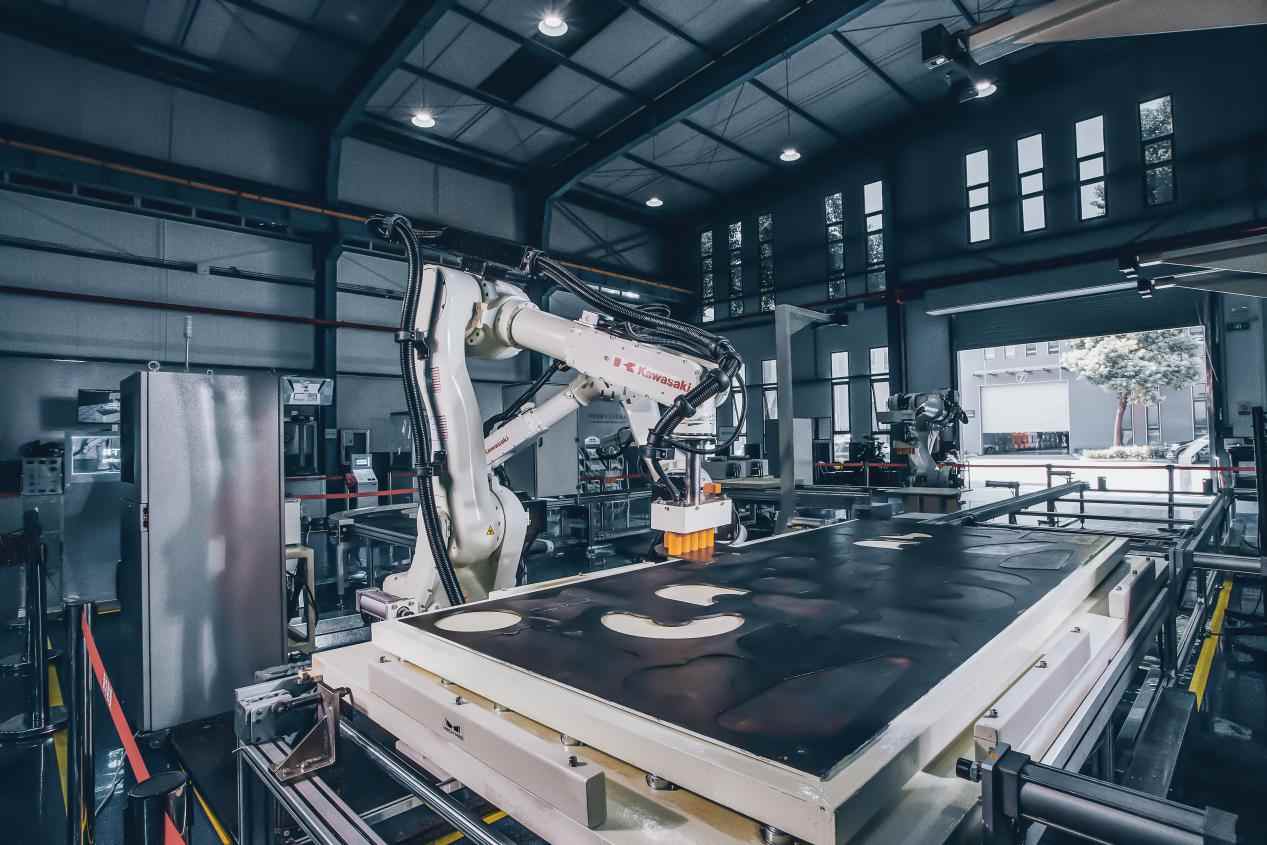
How Can Machine Downtime be Reduced in Manufacturing?
What machine downtime really costs, its most common causes, and four practical ways to reduce it: maintenance, staff training, upgrades and intelligent robots.
January 27, 2023