How 3D Vision Helps Robots Generalize Across Objects, Tasks, and Environments
Industrial automation becomes challenging when variation is the norm. Parts arrive in different poses, surfaces vary between batches, bins become partially empty, and one robot cell may need to support multiple operations. To respond reliably, robots need to understand scene geometry and adapt their actions—not simply follow fixed coordinates or pre-programmed paths.
The Generalization Challenge in Industrial Robotics
Traditional automation works well when part position, orientation, lighting, and process timing remain consistent. Fixed tooling and hard-coded paths become less reliable when those conditions change.
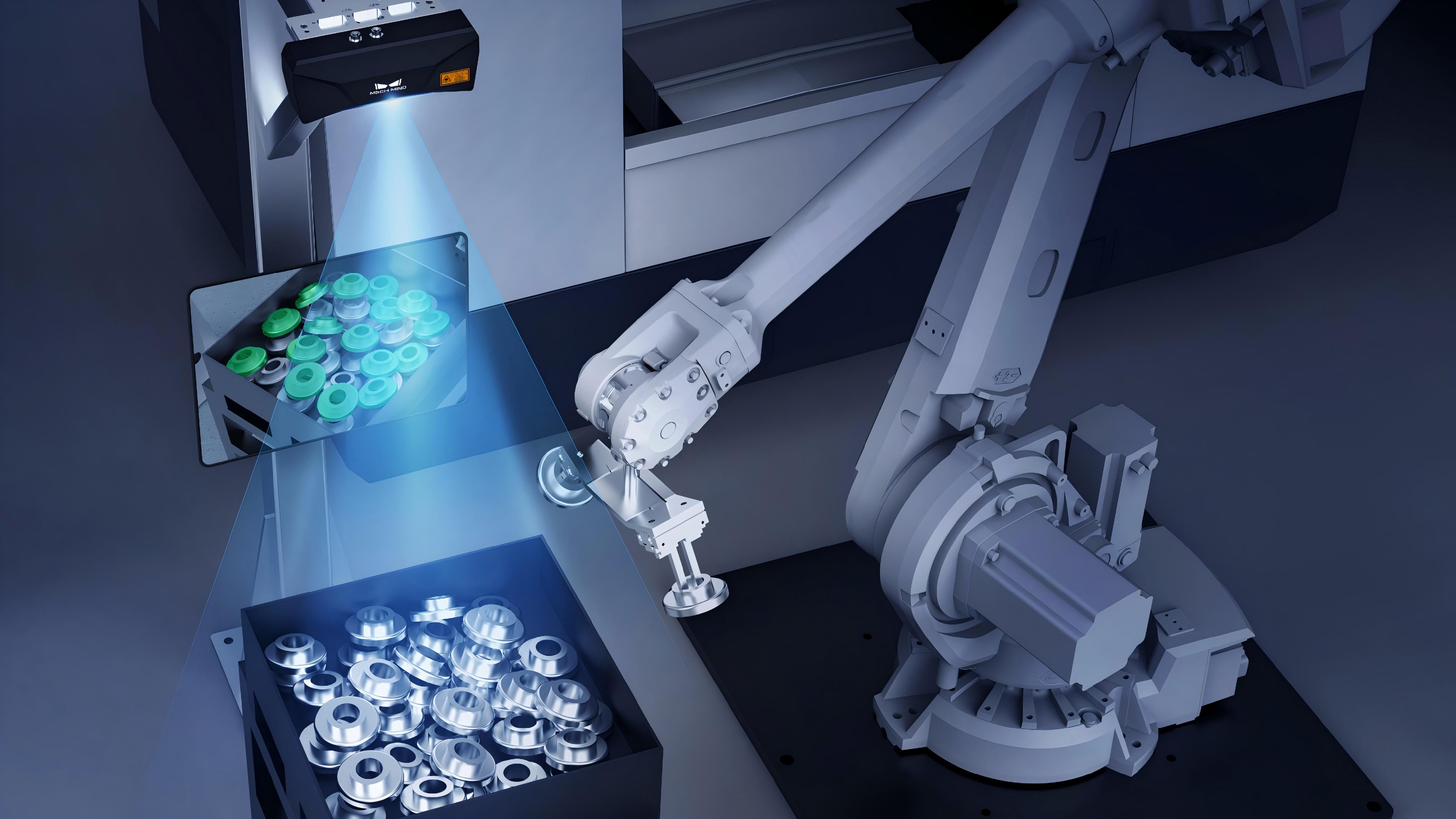
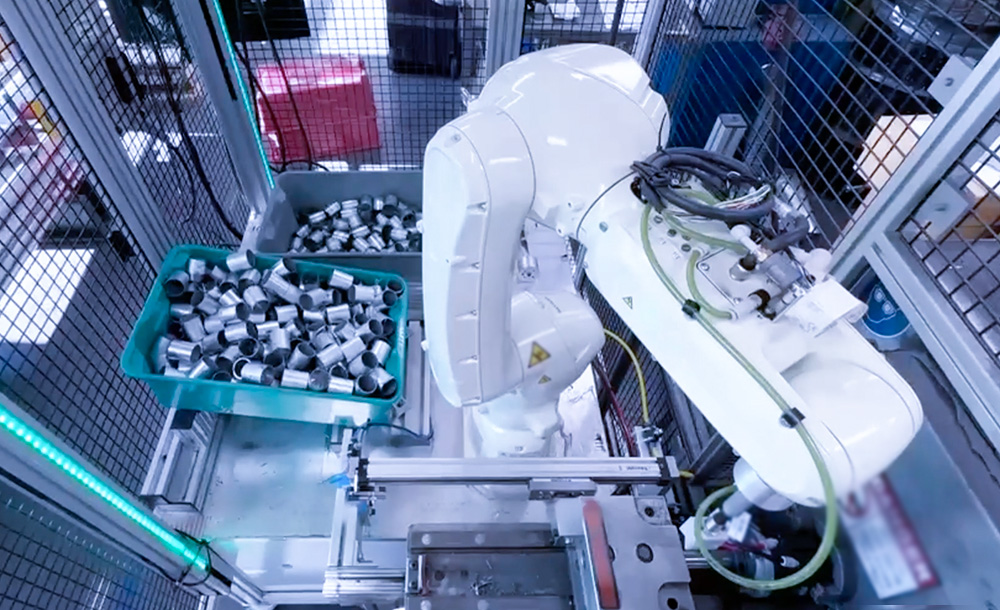
In metal processing, parts may arrive randomly oriented in a bulk bin, overlapping or leaning against bin walls. Dark, reflective, and partially occluded surfaces make them harder to identify and handle. Similar challenges arise with reflective electronic components, transparent films, glossy coatings, and irregular packaging. A 2D image can show edges and textures, but a single image does not directly provide the depth information needed to estimate a part’s six-degree-of-freedom (6-DoF) pose or assess whether a gripper can approach without collision. Meanwhile, production cycle times limit how long a system can spend acquiring and processing visual data.
Here, generalization means maintaining reliable perception and action as objects, poses, scene layouts, and task requirements change—not simply recognizing a familiar object.
Why 3D Vision Matters
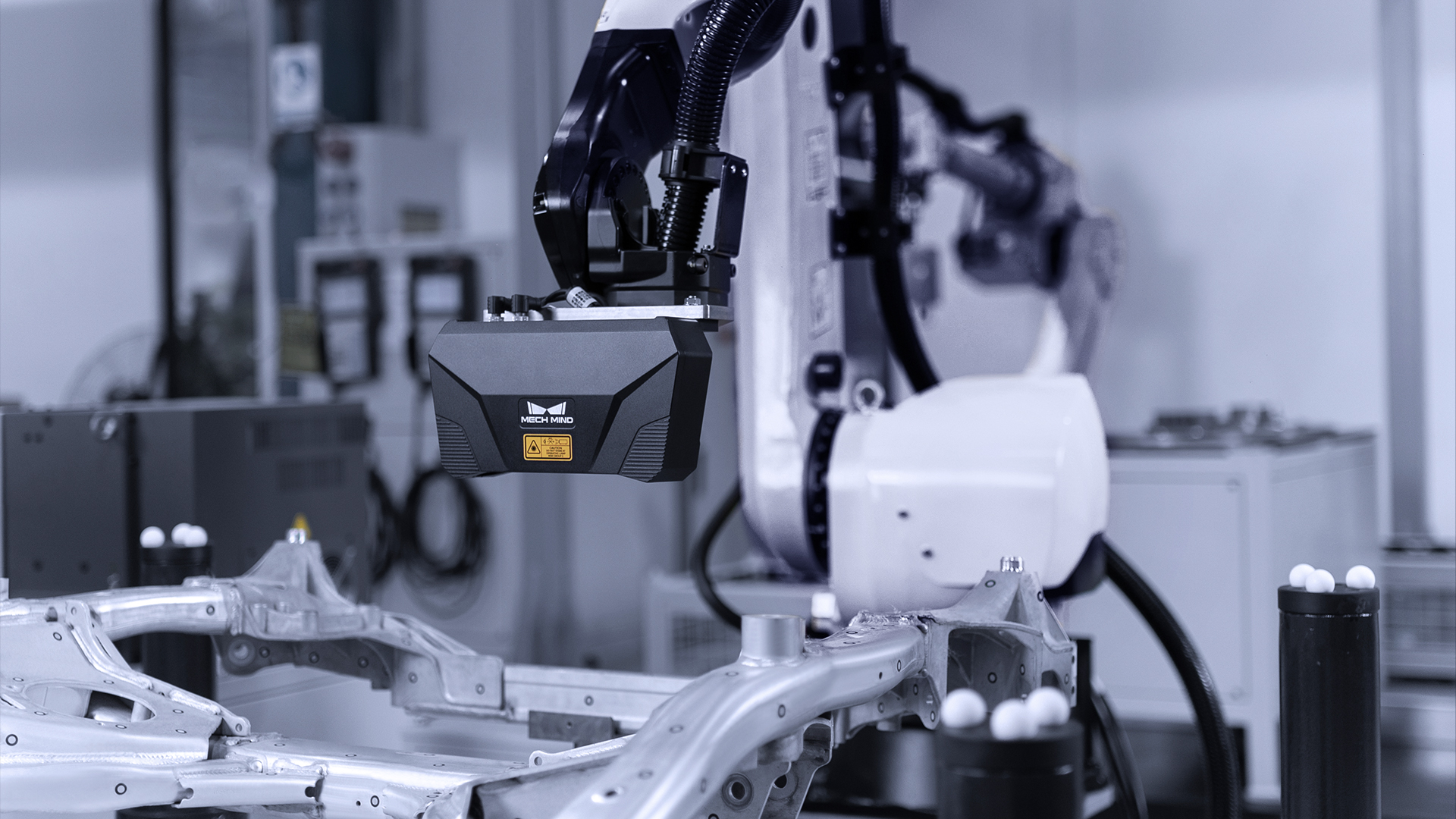
A 3D vision system supports generalization by measuring geometry rather than relying on appearance alone. A 3D camera captures a scene as a point cloud: spatial coordinates representing visible surfaces. This data helps a robot identify height differences between overlapping parts, estimate object orientation, locate accessible surfaces, and assess clearance for a gripper or end effector.
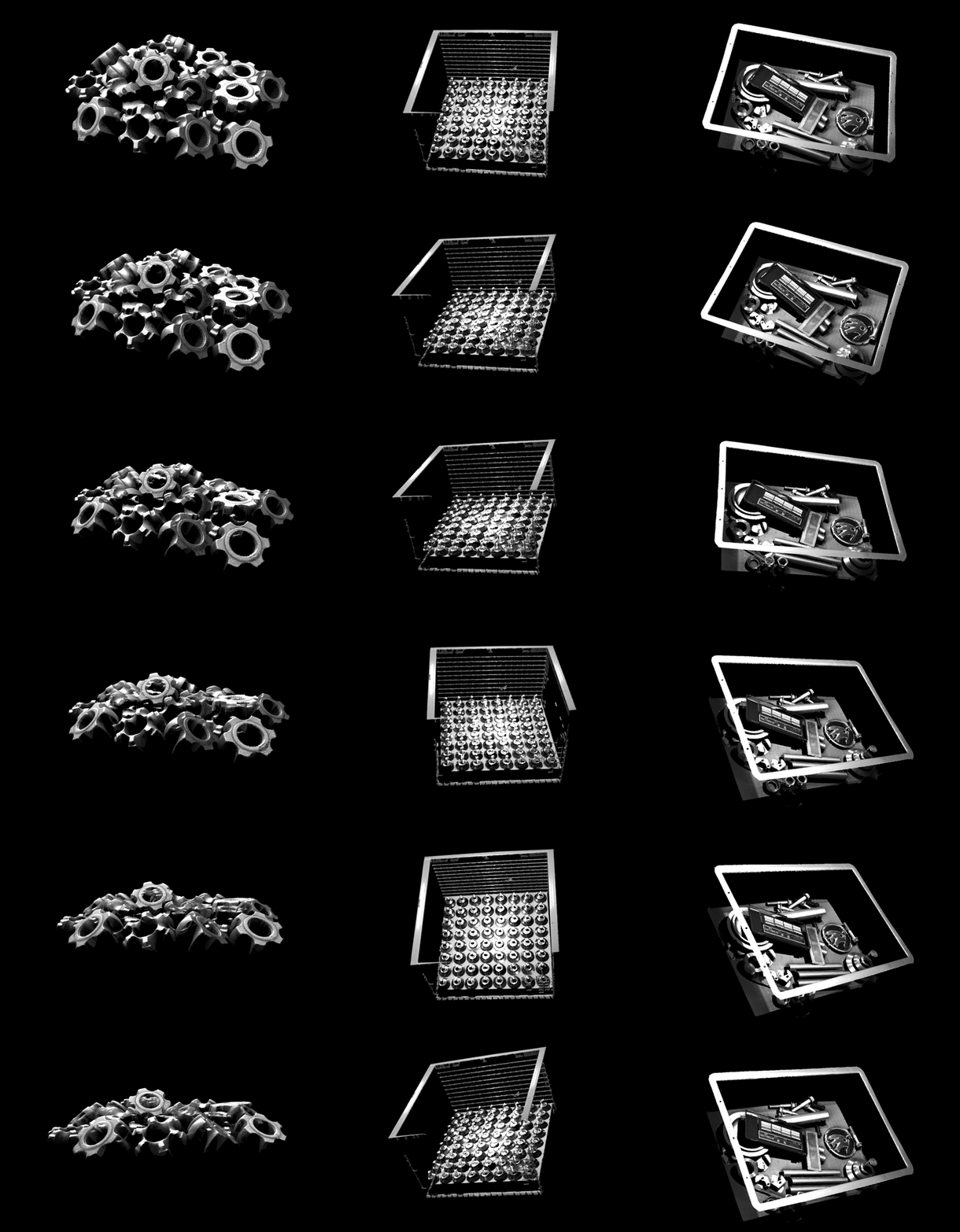
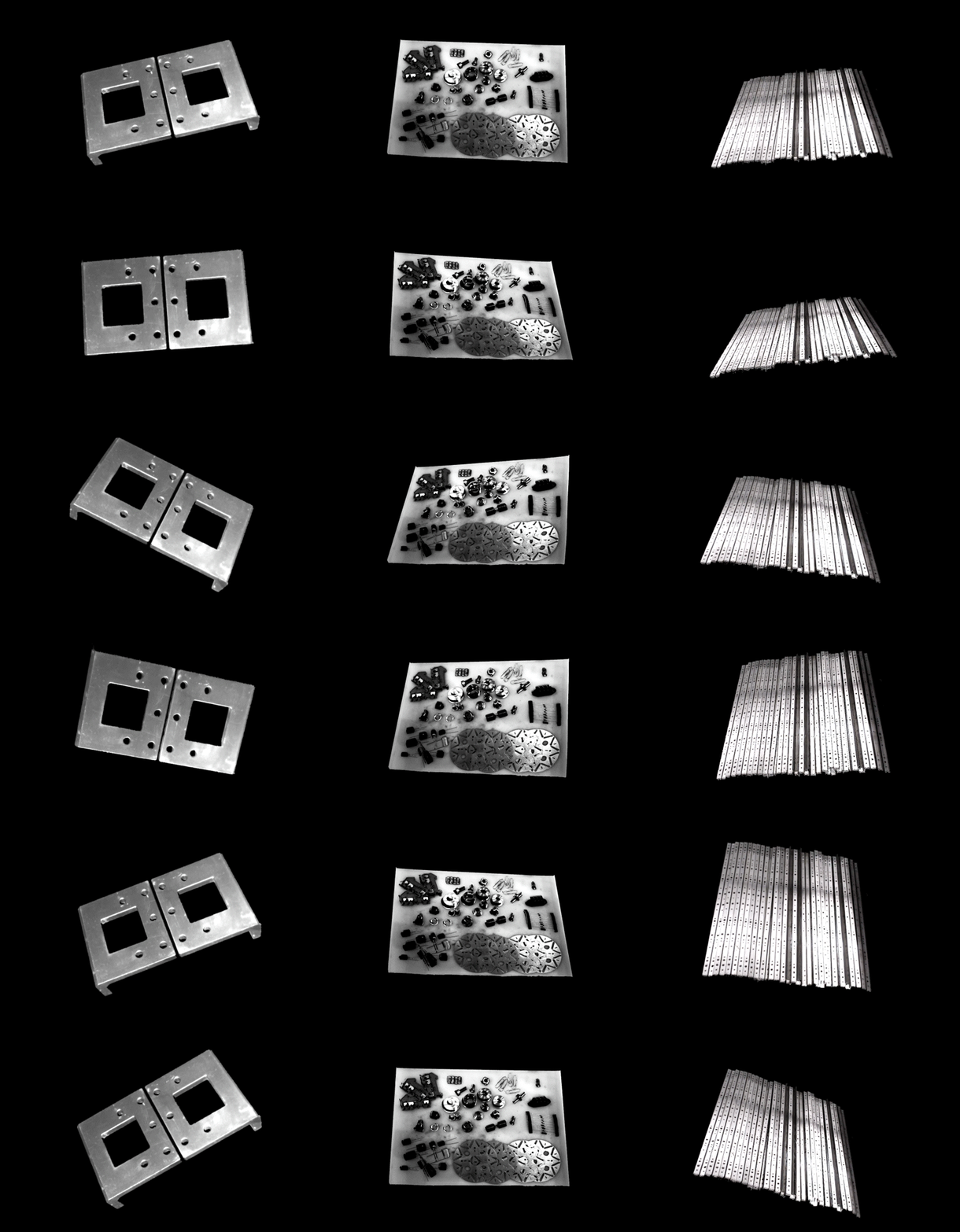
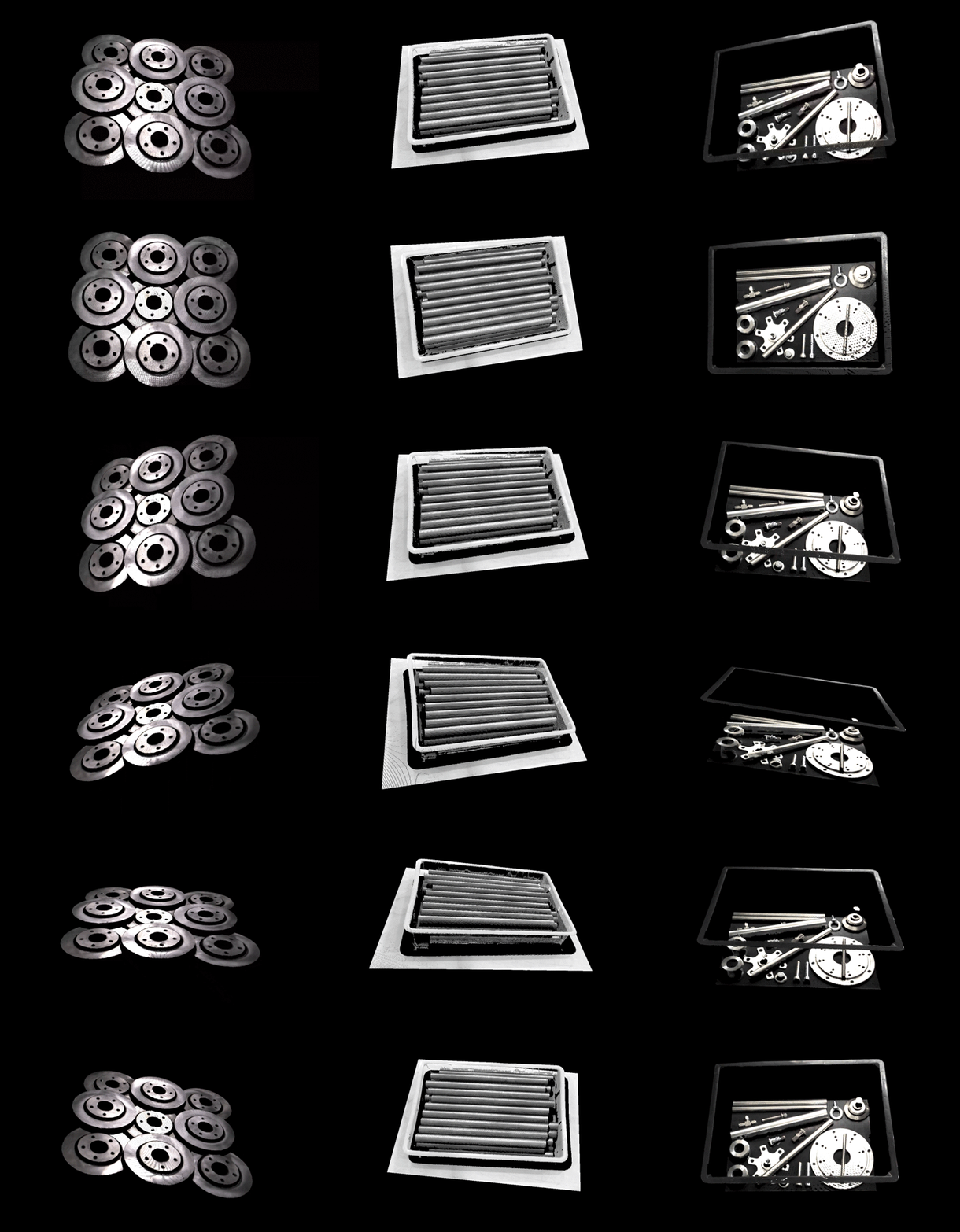 3D Point Clouds of Real Parts Captured by Mech-Eye 3D Cameras
Mech-Mind Robotics addresses these challenges through an “Eye-Brain-Hand” architecture:
-
The Eye captures 3D information about objects, tools, fixtures, and surrounding constraints.
-
The Brain interprets the scene, reasons about the task, identifies relevant geometry, and plans a feasible action.
-
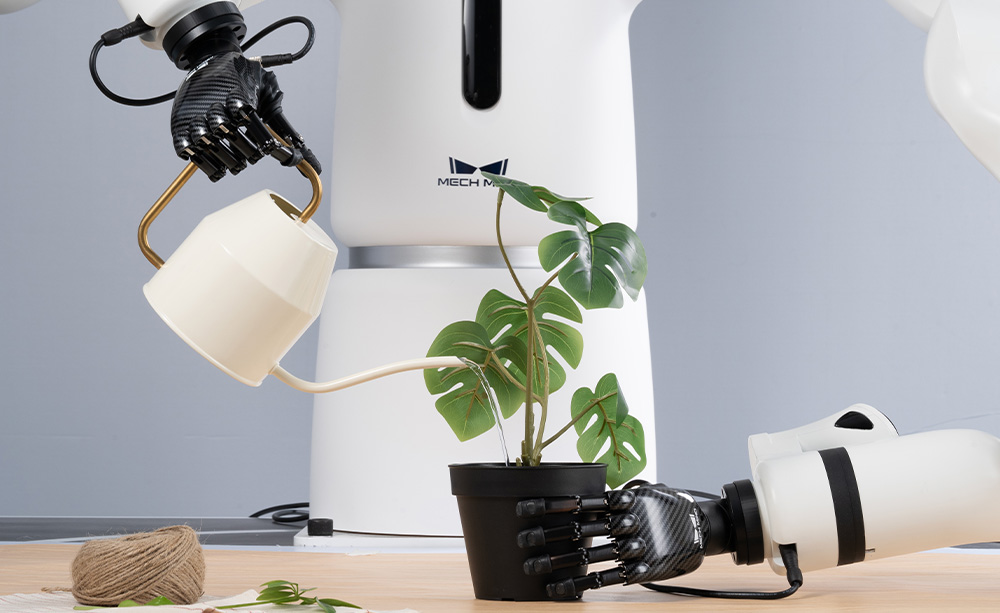
The Hand executes actions through robot arms, end effectors, and Mech-Hand dexterous hands, supporting stable grasping, random bin picking, precise manipulation, assembly, and human-robot collaboration.
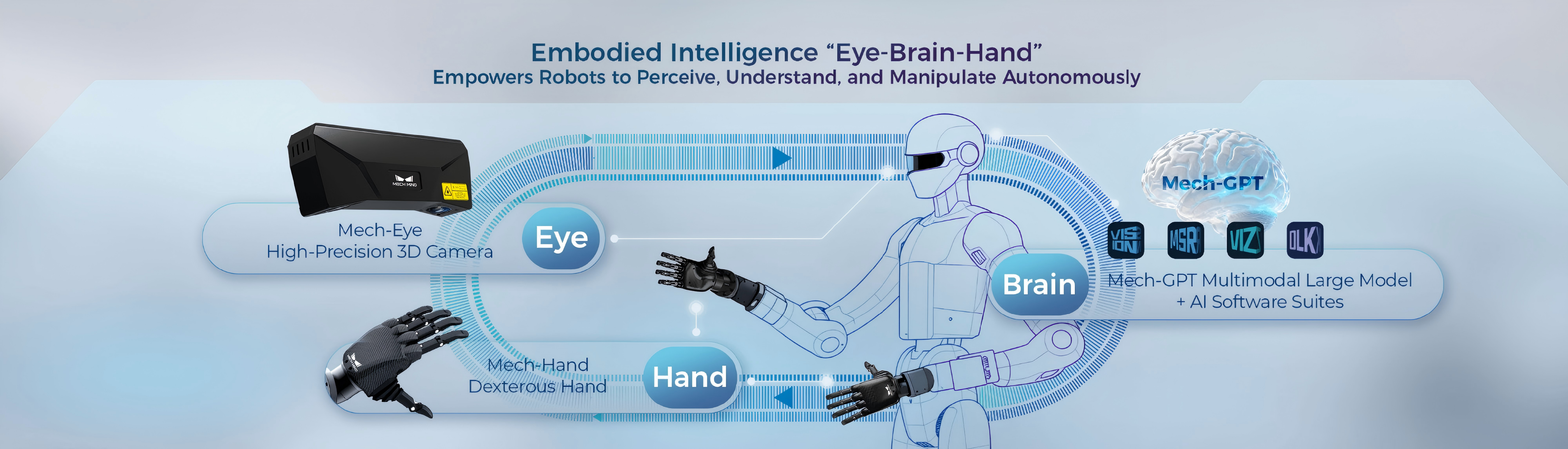 Mech-Mind’s General-Purpose “Eye-Brain-Hand” for Robots
Together, these components connect perception, reasoning, planning, and physical execution. They form the basis of Mech-Mind Robotics’ “One Brain, Multiple Forms” approach, applying general-purpose embodied intelligence across different robot configurations and industrial tasks based on the geometry and constraints of real environments.
From 3D Data to Robot Action
Capturing a point cloud is only the first step. The system must interpret it in the context of the task: identify candidate objects, estimate their poses, determine whether they are accessible, and assess whether the robot can act without collision.
Mech-Mind Robotics combines 3D perception with graphical machine vision software, deep-learning tools, robot communication interfaces, and motion planning. Perception generates candidate poses from the current scene; motion planning evaluates whether those poses are executable given the robot, gripper, fixtures, bin, and surrounding objects. The workflow can filter irrelevant scene data, isolate candidate objects, and evaluate application-specific conditions before sending actionable information to the robot.
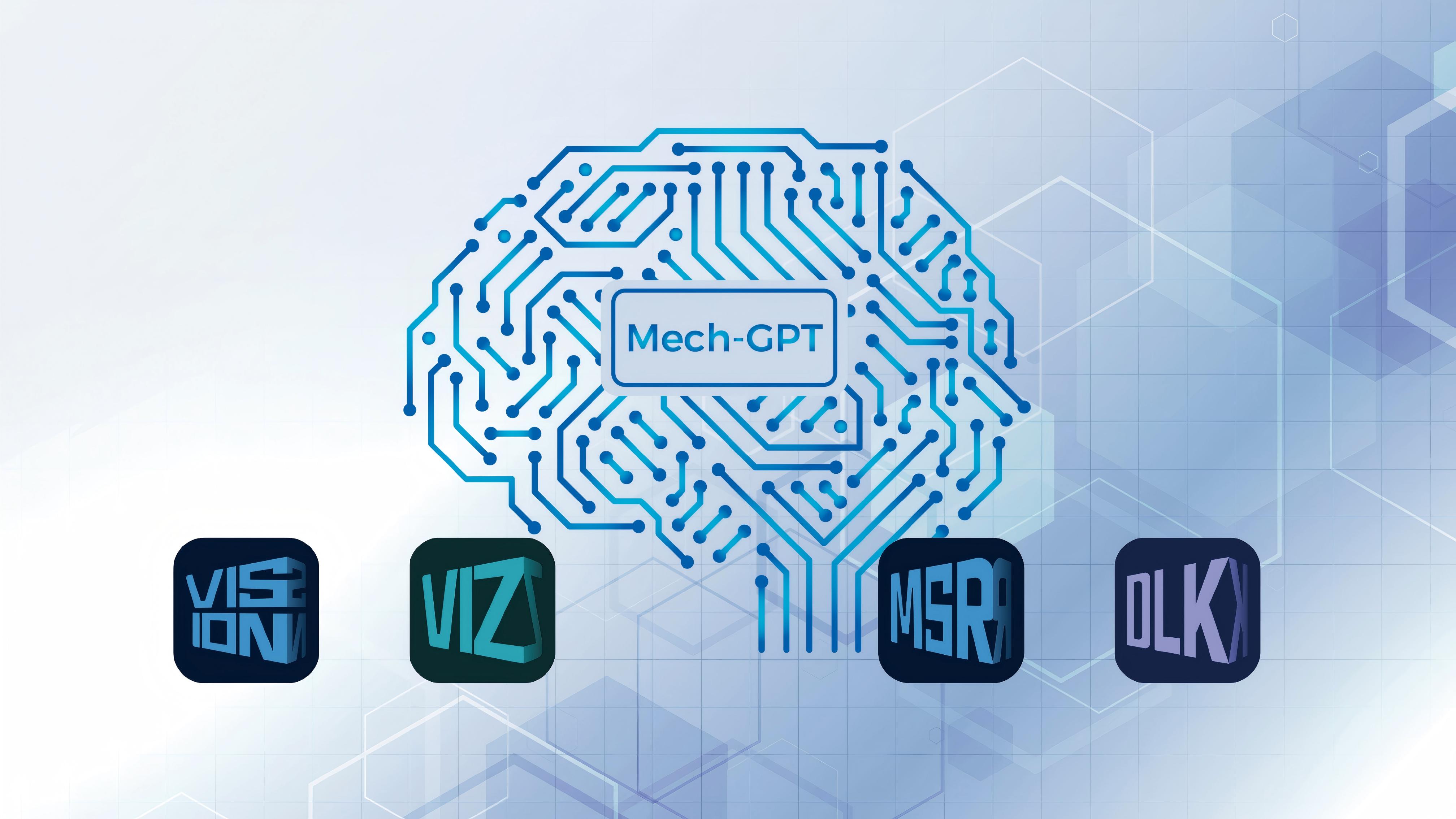 Mech-Mind’s Self-Developed Software Suites
This allows the robot to respond to the scene as it is, rather than treating every change from an ideal layout as an exception. Depending on the task, the system considers visibility, occlusion, approach and retreat clearance, nearby obstacles, collision risks, and the orientation required for the next process step.
Generalizing Across Objects, Tasks, and Environments
- Across objects: Parts may differ in SKU, orientation, dimensions, surface properties, or packaging. Geometry-based perception helps identify relevant features even when arrangements change from cycle to cycle—for example, with cartons of varying heights, metal components in different poses, or visually similar electronic parts that require precise positioning.
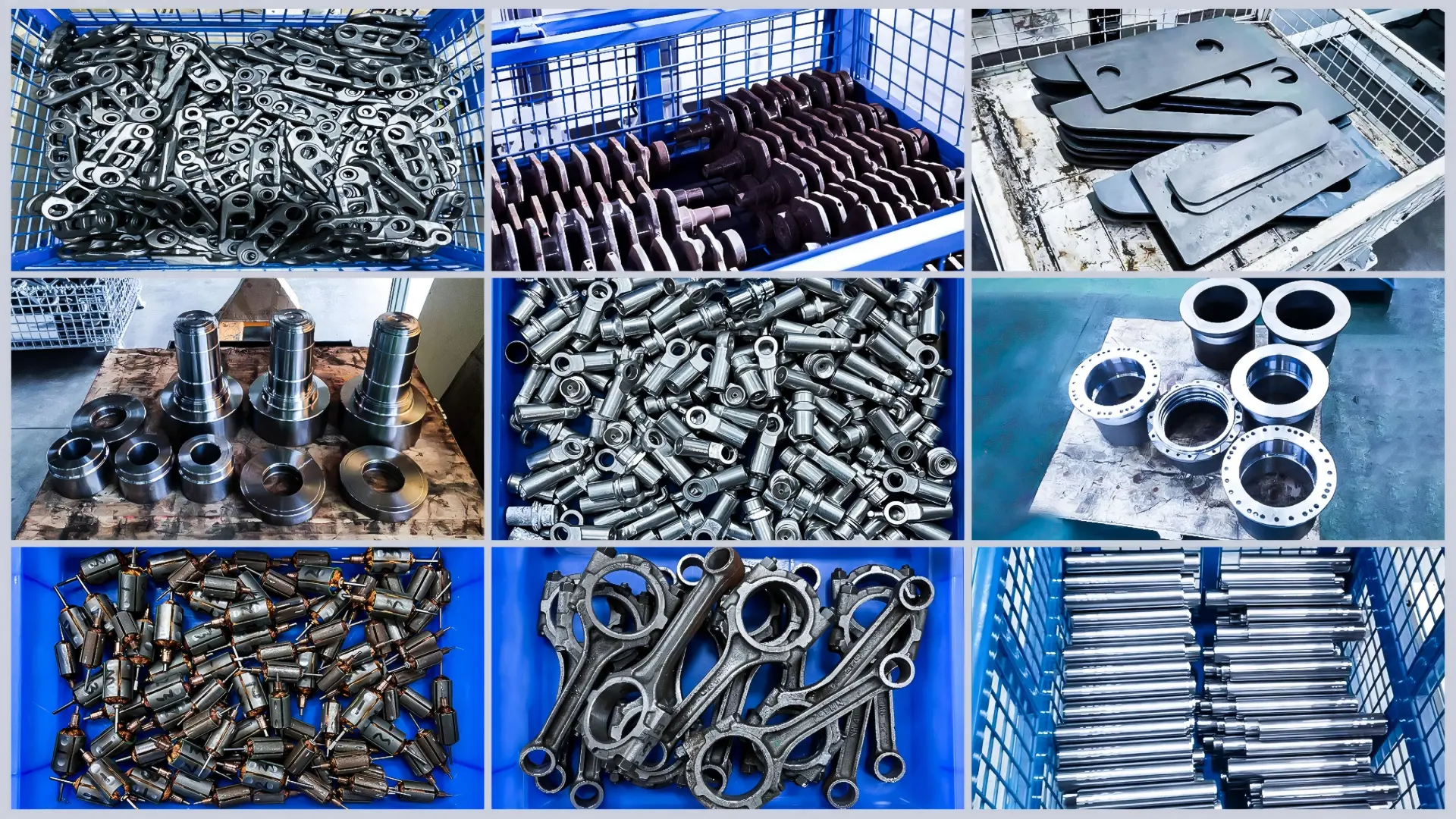
Real-World Part Examples
- Across tasks: 3D data and perception capabilities used to locate a part for picking can also support placement, assembly verification, machine tending, inspection, and palletizing. Reusing perception outputs can reduce the need to treat every task as a separate automation project.
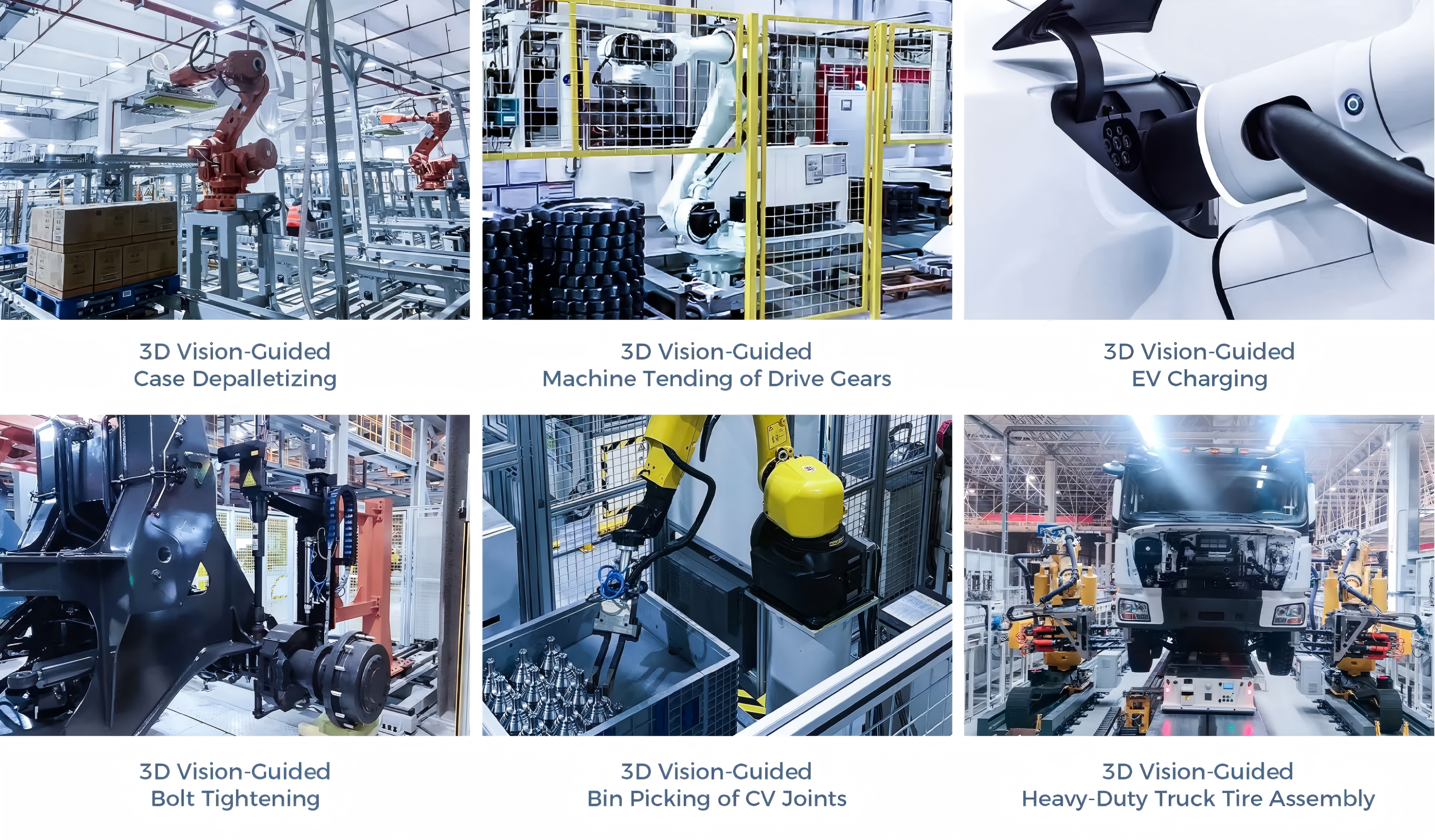
3D Vision-Guided Case Examples
- Across environments: Bins empty, pallet layers shift, fixtures are replaced, and lighting conditions vary. An updated 3D representation of the workspace helps robots locate targets, assess clearance, and adjust planned actions to the geometry actually present.
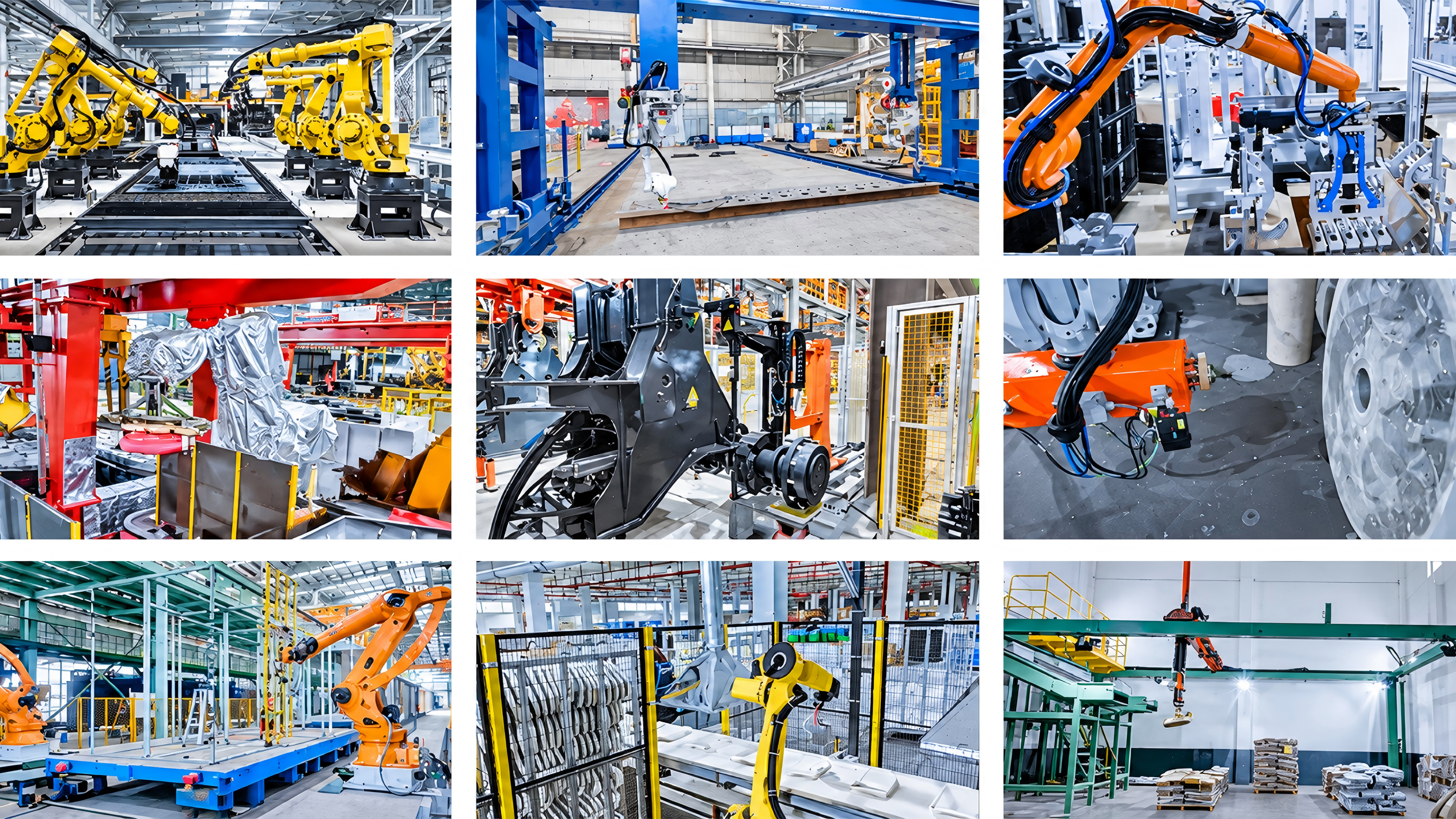
Complex and Changing Real-World Environments
Business Impact: Flexible, Repeatable Automation
For manufacturers and system integrators, generalization can reduce dependence on precisely controlled part presentation and frequent revisions to fixed robot paths. It supports flexible handling of product variants, mixed items, changing orientations, and evolving production layouts. Better geometric awareness can also improve process consistency and support inspection and traceability.
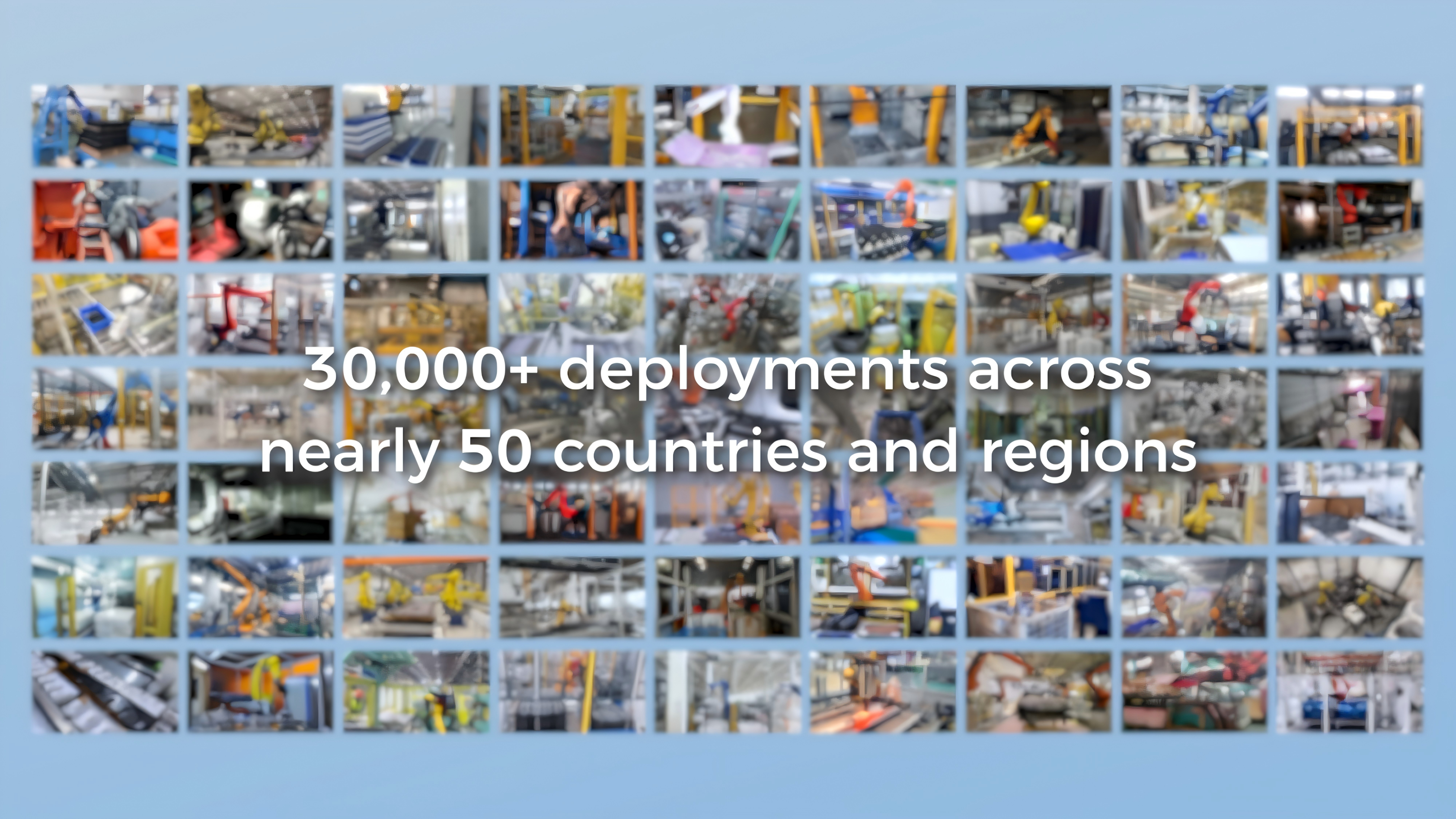 Mech-Mind Robotics has deployed more than 30,000 systems in over 50 countries across automotive, logistics, electronics, EV battery, metal & machining, and food & beverage applications. Across these environments, robots must remain reliable even when production conditions vary from one cycle to the next.
The Future: Generalization as Embodied AI
The next stage of generalization connects 3D perception with multimodal understanding, reasoning, decision-making, and robotic control. Embodied AI enables robots to interpret task intent, understand their physical surroundings, and act in more variable real-world scenarios.
Mech-GPT is Mech-Mind Robotics’ multimodal large model. It enables robots to comprehend natural-language instructions, understand human intent, and integrate visual and schematic information for more complex reasoning and decision-making. This can help robots perform user-specified tasks and adapt to changing requirements in manufacturing, logistics, and service environments, while lowering the barrier to robot use compared with conventional programming and deployment.
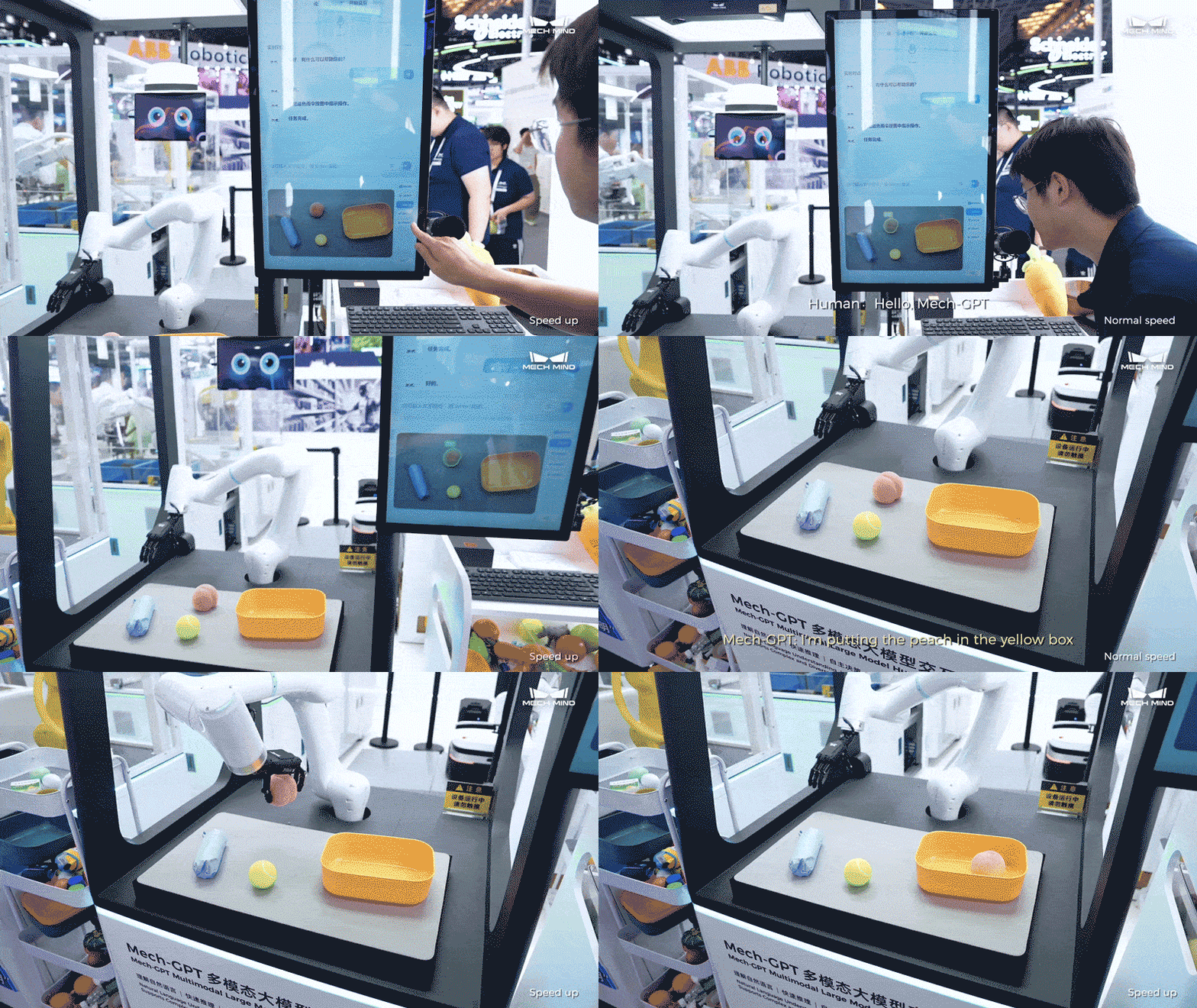
Mech-GPT: Empowering Robots to Handle Complex Tasks through Natural Language
Compatible with a range of robot types and tools, Mech-GPT is not limited to a single hardware configuration. Combined with the Eye + Brain + Hand architecture, it supports a general-purpose approach to Physical AI: robots that can understand instructions and physical constraints, then execute actions across different tasks and industries.
Conclusion
A 3D vision system supports robot generalization by providing geometric understanding of changing objects, tasks, and environments. Through the general-purpose robot "Eye-Brain-Hand" architecture, Mech-Mind Robotics connects perception, reasoning, and execution to help robots adapt to real-world industrial variation.
To explore how 3D vision & embodied AI can support your automation requirements, contact Mech-Mind Robotics at https://www.mech-mind.com/contact/contact-us.html.
Next
No next post
Recent Posts

Beyond Specifications: How to Choose a Reliable Industrial 3D Vision System
Seeing the Invisible: Why Transparent Objects Are So Hard for Robots
From Challenge to Reliability: Handling Reflective Parts with Mech-Mind “Eye + Brain”
How Robot Systems Power Sustainable, Low-Carbon Manufacturing
From Factory Floors to Global Lighthouses: 3D Vision's Role in 2026 Industrial Automation Goals
Recommend Reading
Beyond Specifications: How to Choose a Reliable Industrial 3D Vision System
Selecting the right industrial 3D vision system is not only about comparing camera specifications such as resolution, ac...
Seeing the Invisible: Why Transparent Objects Are So Hard for Robots
Transparent objects seem ordinary in daily life, but for robots, they are some of the most difficult targets to see and...
From Challenge to Reliability: Handling Reflective Parts with Mech-Mind “Eye + Brain”
In real world industrial environments, robotic performance is often affected by changing ambient light, reflective surfa...