Beyond Specifications: How to Choose a Reliable Industrial 3D Vision System
Selecting the right industrial 3D vision system is not only about comparing camera specifications such as resolution, accuracy, field of view, and scanning speed. These parameters are important, but they do not always reflect how the system will perform in real production environments.
In actual manufacturing lines, 3D vision systems must deal with changing part positions, diverse materials, reflective or dark surfaces, ambient light, dust, vibration, and continuous operation. A system that performs well in a controlled test environment may still struggle when deployed on a real production line.
This article explains what manufacturers should consider when choosing a 3D vision system for industrial automation, and why real-world reliability matters as much as technical specifications.
Why Camera Specifications Are Not Enough
When evaluating an industrial 3D camera, manufacturers often start with basic specifications: resolution, accuracy, working distance, field of view, acquisition speed, and repeatability. These are essential indicators, especially for applications such as robot guidance, 3D measurement, bin picking, and quality inspection.
However, specifications are usually measured under controlled conditions. In real factories, the actual performance of a 3D vision system depends on many additional factors, including:
- Whether the camera can generate complete and stable point clouds on challenging surfaces
- Whether the system can resist interference from ambient light, dust, or changing environments
- Whether the software can reliably recognize and locate parts with different poses
- Whether the system can be easily integrated with robots and existing production lines
- Whether the solution remains stable during long-term operation
For industrial automation, the most valuable 3D vision system is not simply the one with the best numbers on a datasheet. It is the one that can consistently deliver usable results in real production.
Key Challenges for 3D Vision Systems in Real Production
Handling Reflective, Dark, and Transparent Materials
Many industrial parts are difficult for 3D vision systems to capture. Reflective metals, black rubber, transparent plastics, translucent medical supplies, and glossy packaging can all cause unstable depth data, missing points, or noisy point clouds.
For example, reflective metal surfaces may create overexposed areas, while dark objects may return weak signals. Transparent or translucent objects can be even more challenging because light may pass through or scatter inside the material.
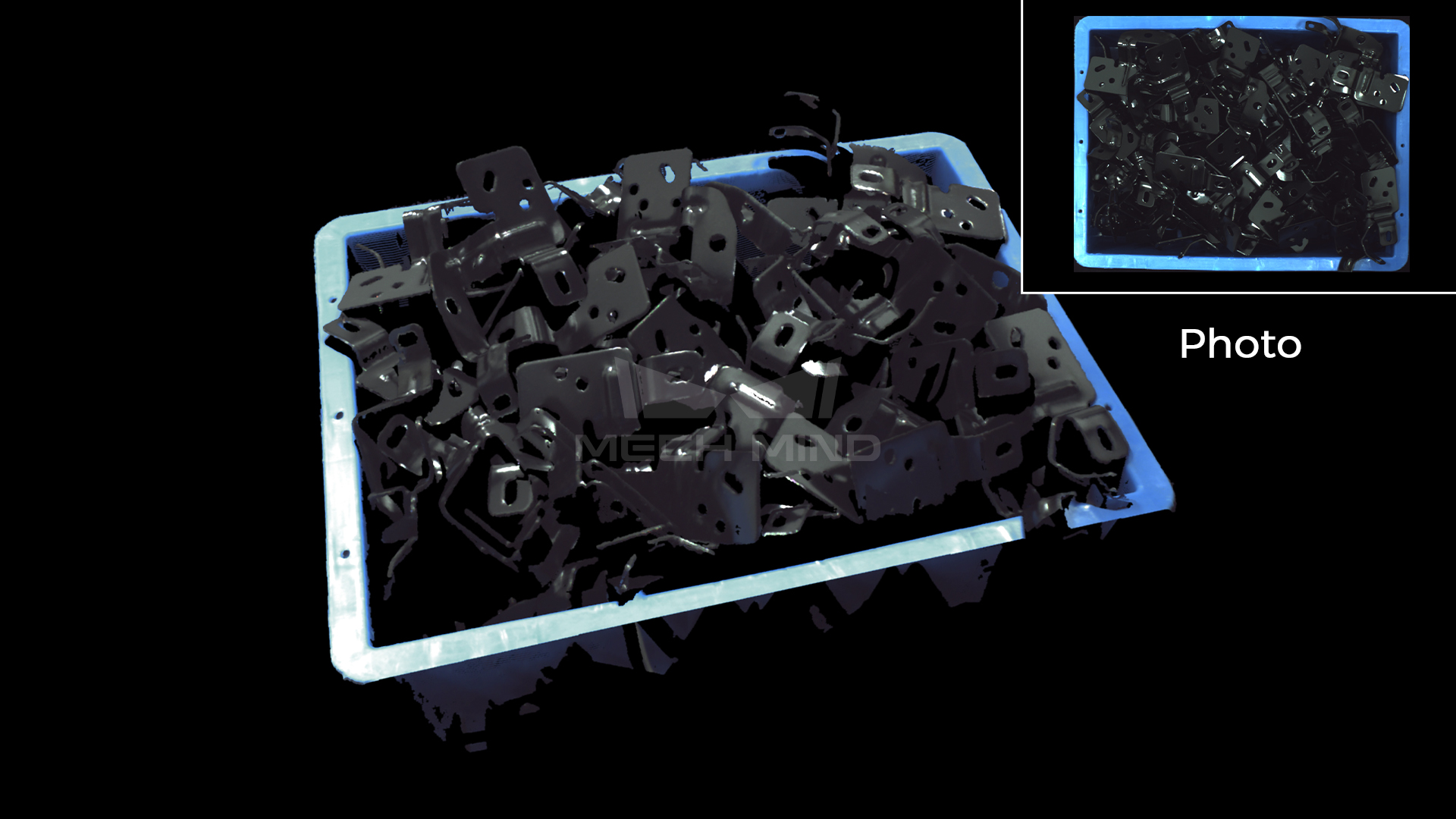 High-quality 3D point cloud of thin-walled black sheet metal parts captured by Mech-Eye 3D camera
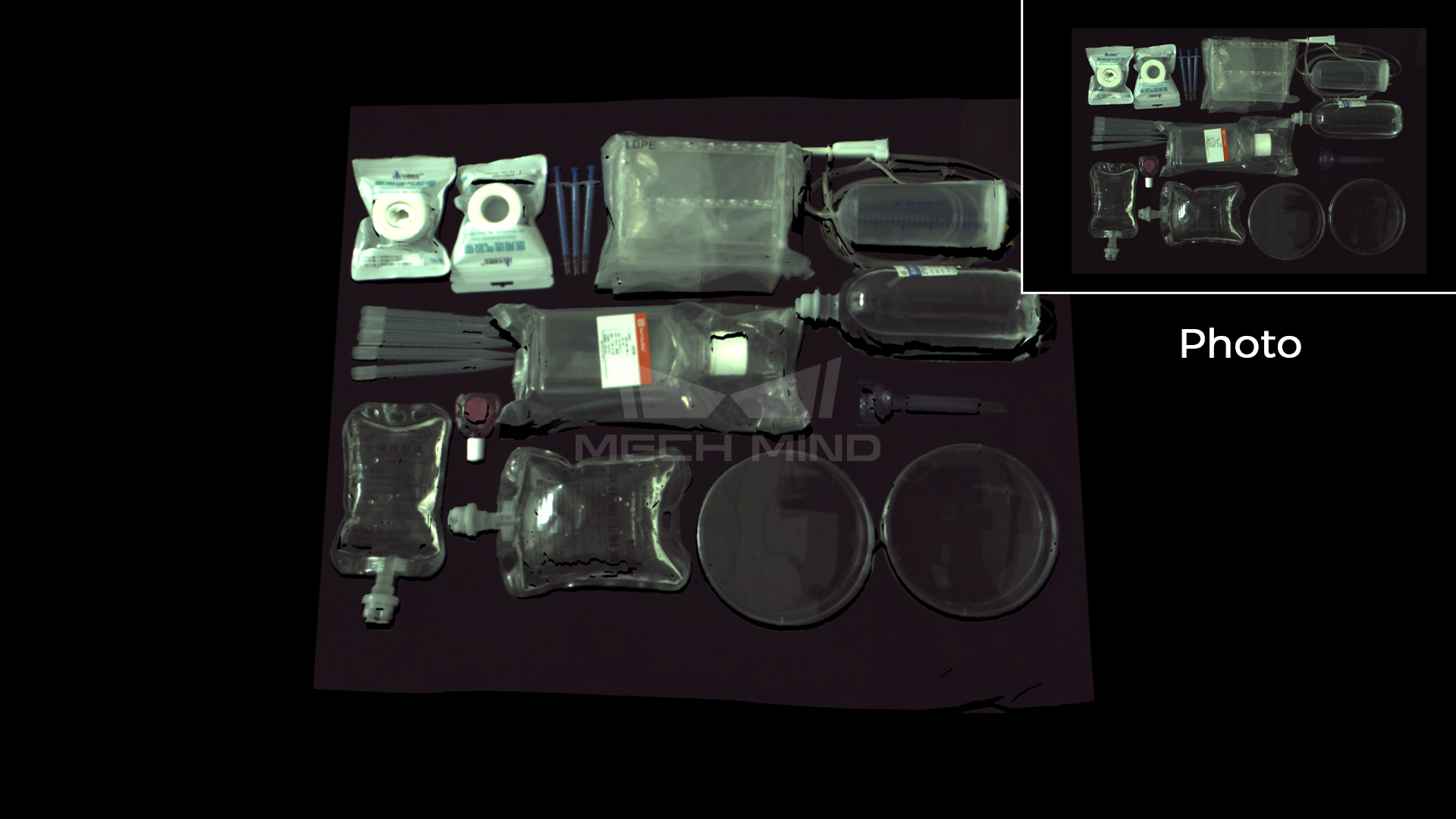 High-quality 3D point cloud of transparent & translucent medical supplies captured by Mech-Eye 3D camera
In these situations, manufacturers need more than a standard 3D camera. They need a 3D vision system that combines suitable imaging hardware with robust algorithms to produce stable, high-quality point clouds across different materials.
Adapting to Different Part Sizes, Shapes, and Fields of View
Industrial applications vary greatly in part size and shape. A 3D vision system may need to capture small electronic components, medium-sized mechanical parts, large battery modules, or automotive components.
Different applications require different working distances, fields of view, accuracy levels, and installation methods. If the field of view is too small, the system may not capture the entire workpiece. If the accuracy is insufficient, the robot may not be able to pick, place, measure, or inspect the part reliably.
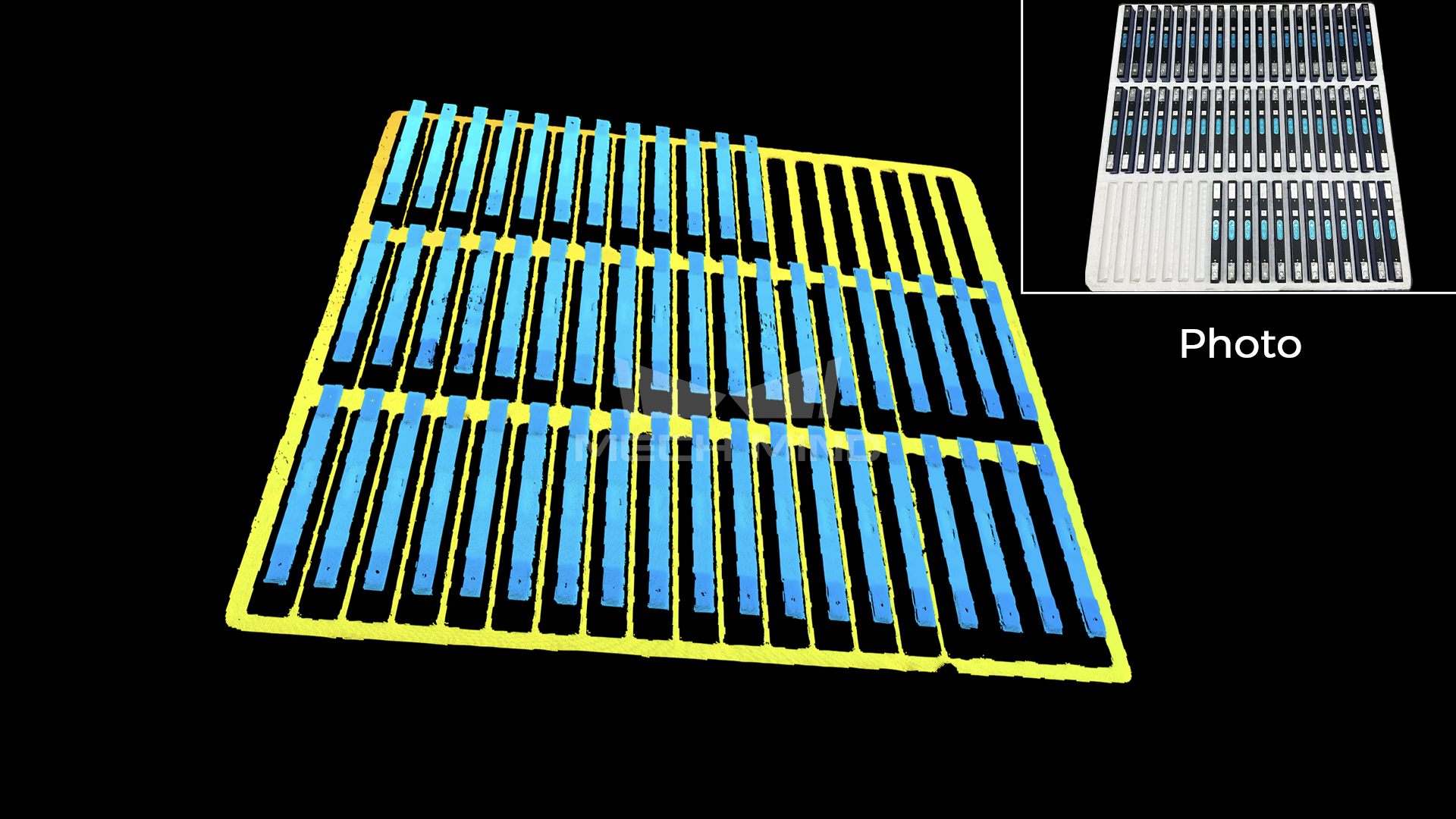 Mech-Eye 3D camera captures complete 3D point clouds of battery cells on the entire layer (1200 × 1200 mm)
A reliable industrial 3D vision system should provide multiple camera models and configurations, allowing users to match the right field of view, working distance, and accuracy to each application.
Resisting Ambient Light, Dust, and Harsh Factory Conditions
Real production environments are rarely ideal. Ambient light may change throughout the day. Dust, oil mist, water vapor, and vibration may affect imaging quality. Some production lines may also require continuous operation over long periods.
These environmental factors can reduce point cloud quality and cause unstable recognition results. For applications such as robot guidance and automated inspection, even small fluctuations can lead to picking errors, measurement deviations, or downtime.
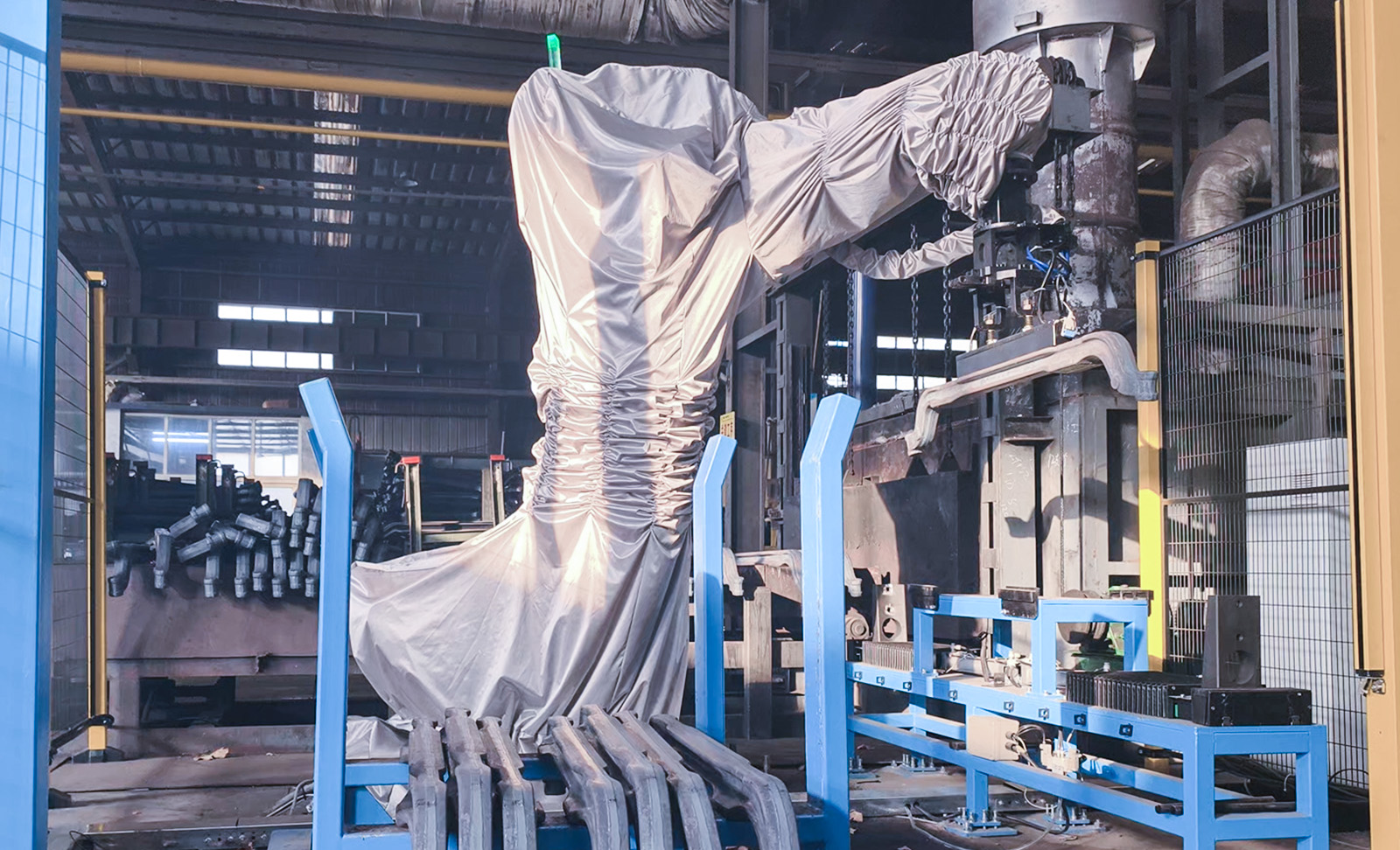 Real-world ambient light conditions can challenge stable 3D perception
Therefore, industrial 3D cameras should be designed for factory environments, with strong resistance to ambient light, dust, water, and long-term accuracy drift.
Recognizing Randomly Placed or Densely Packed Parts
In many automation scenarios, workpieces are not neatly arranged. They may be randomly stacked in bins, densely packed in containers, or presented in different orientations on a conveyor.
This is common in applications such as random bin picking, machine tending, depalletizing, and part loading. In these cases, the 3D vision system must not only capture depth information, but also recognize each object, estimate its pose, and guide the robot to perform the correct motion.
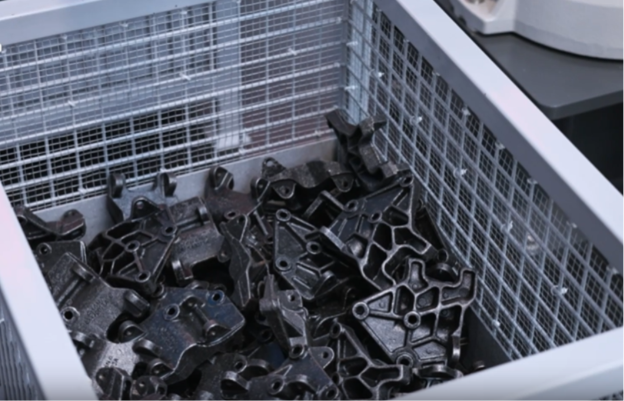 Workpieces randomly stacked in a deep bin
Reliable object recognition, pose estimation, collision avoidance, and robot path planning are essential for turning 3D data into successful automated operation.
What to Consider When Choosing an Industrial 3D Vision System
Material Compatibility
The first question is whether the system can handle the actual materials in your production environment. Many applications involve reflective, dark, glossy, transparent, or translucent parts.
When evaluating a 3D vision system, manufacturers should test it with real workpieces, not only standard samples. The system should be able to generate complete and stable point clouds under realistic conditions.
Point Cloud Quality in Real Conditions
Point cloud quality directly affects robot picking accuracy, measurement reliability, and inspection results. A good 3D vision system should provide point clouds with fewer missing areas, less noise, clear edges, and stable depth data.
Instead of only checking laboratory accuracy, users should evaluate point cloud quality in the real production environment, including actual lighting, part placement, material variation, and cycle time requirements.
Field of View, Working Distance, and Accuracy
Field of view, working distance, and accuracy must match the application. For robot guidance, the system needs enough field of view to locate the workpiece and enough accuracy to guide the robot. For 3D measurement, higher accuracy and repeatability may be required. For large objects, a wider field of view may be more important.
Choosing the right 3D camera model helps avoid over-specification and unnecessary cost, while ensuring reliable performance.
Environmental Robustness
Industrial vision systems must work reliably in real factory environments. When choosing a system, manufacturers should consider resistance to ambient light, dust, water, vibration, and temperature variation.
Features such as industrial-grade housing, high IP rating, thermal stability, and long-term accuracy maintenance can help reduce downtime and improve production reliability.
AI Software and Algorithm Capability
A 3D camera captures data, but software turns that data into actionable results. For many automation tasks, AI-powered software is essential for object recognition, pose estimation, path planning, collision avoidance, and quality inspection.
The software should also be easy to configure and adaptable to different production tasks. This reduces engineering workload and shortens deployment time.
Ease of Integration and Deployment
A 3D vision system should fit into the existing automation environment. This includes compatibility with robots, PLCs, industrial PCs, communication protocols, and production line control systems.
Easy integration, clear workflows, and professional technical support can significantly reduce project risk and speed up deployment.
How Mech-Mind Enables Reliable 3D Vision in Real Production
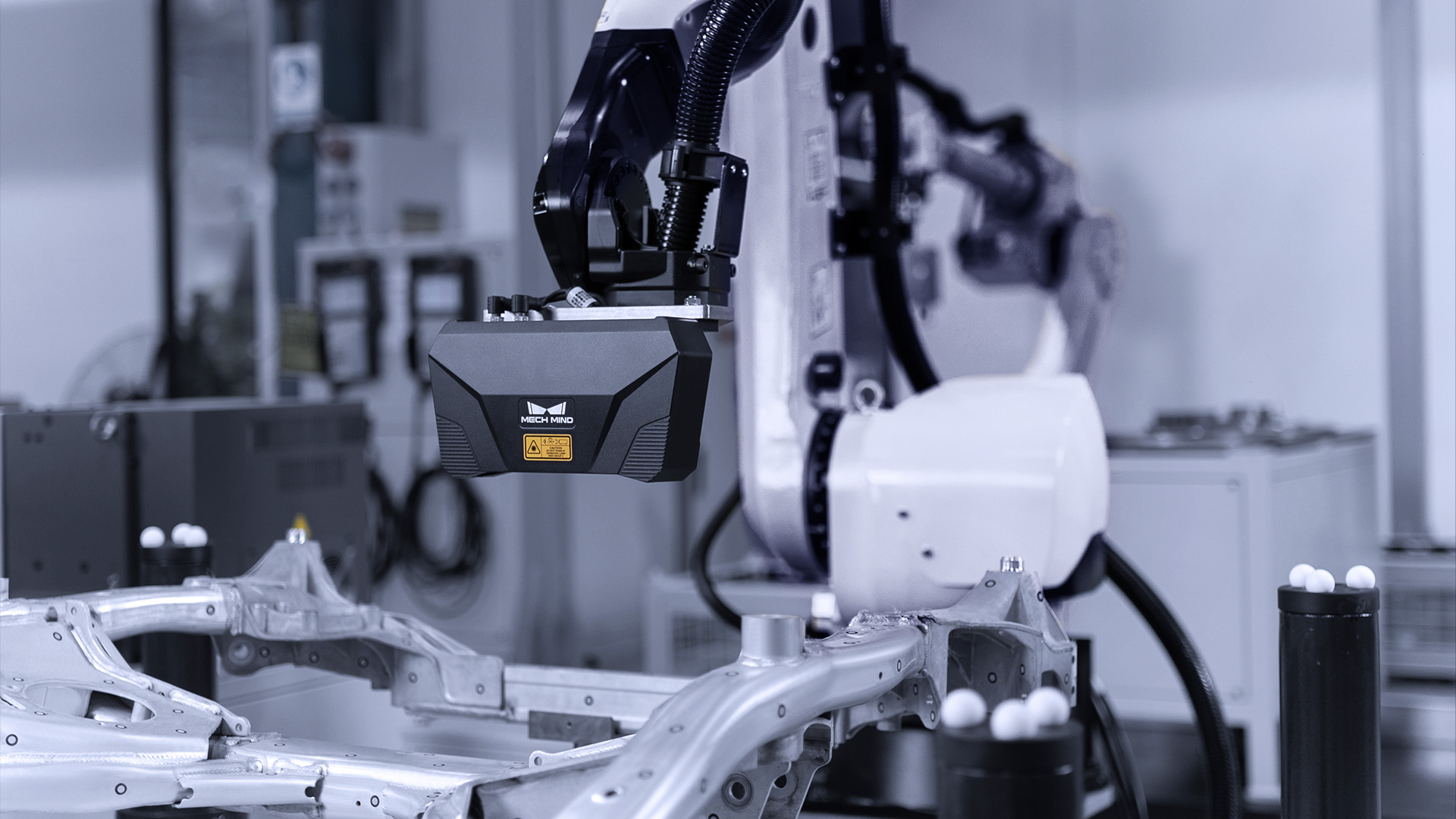
Mech-Mind provides integrated 3D vision solutions that combine Mech-Eye industrial 3D cameras, AI-powered software, and robot programming tools. The goal is to help manufacturers deploy reliable 3D vision systems in complex real-world production environments.
Mech-Eye 3D Cameras for High-Quality Point Clouds
Mech-Eye industrial 3D cameras are designed to capture stable, high-quality point clouds across a wide range of industrial materials and workpieces.
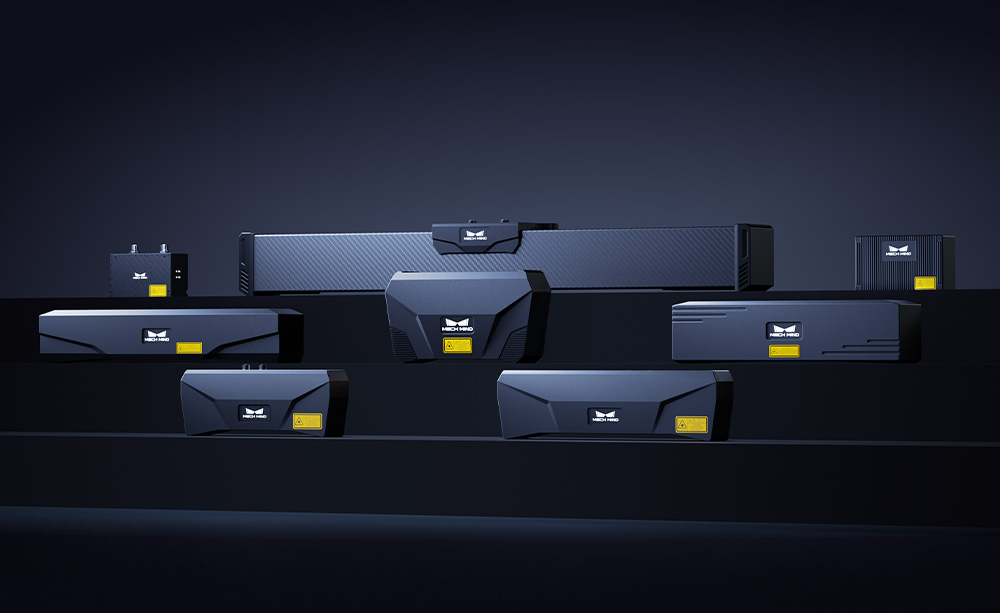
They can be applied to challenging objects such as reflective metal parts, dark surfaces, plastic components, cardboard boxes, sacks, and translucent objects. With multiple camera models available, users can choose suitable field of view, working distance, accuracy, and speed according to their application needs.
This makes Mech-Eye 3D cameras suitable for tasks such as robot guidance, bin picking, depalletizing, machine tending, 3D measurement, and inspection.
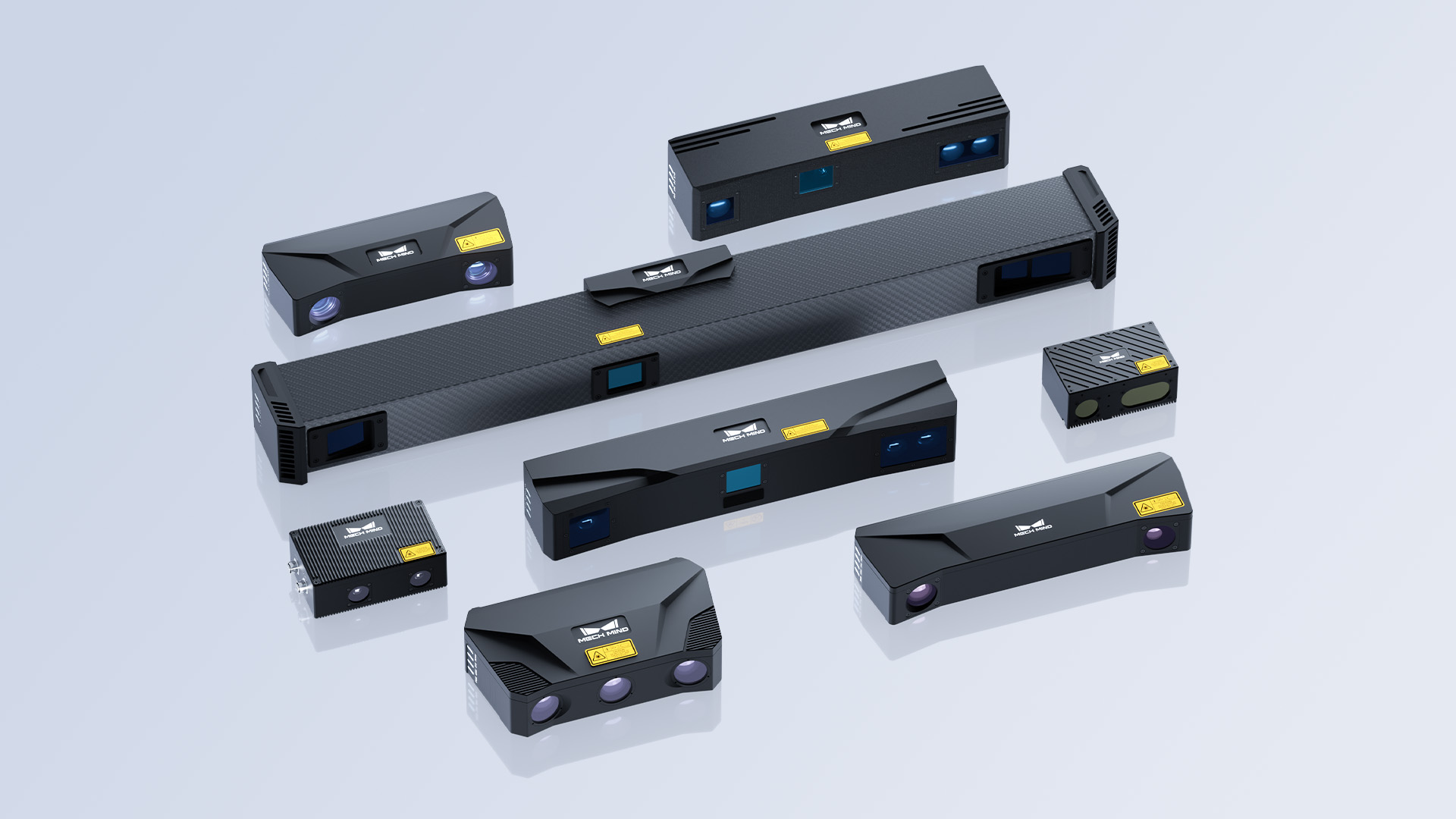 Mech-Eye High-Precision Industrial 3D Cameras
Robust Performance in Industrial Environments
Mech-Eye 3D cameras are built for demanding factory conditions. They are designed to resist interference from ambient light and support stable operation in environments with dust, water, and other industrial factors.
For long-term production, stable imaging performance helps reduce recognition errors, robot picking failures, and unexpected downtime. This is especially important for automated lines that require continuous operation and consistent output quality.
AI-Powered Software for Recognition, Localization, and Robot Guidance
Mech-Mind’s software platform helps convert 3D data into reliable automation results. With AI algorithms and 3D vision processing capabilities, the system can recognize objects, estimate poses, generate picking points, and guide robot motion.
For random bin picking, the software can identify parts in complex stacking conditions and help robots pick them accurately. For robot guidance, it can locate parts and provide position information for handling, assembly, loading, unloading, or inspection. For measurement applications, it can support 3D data processing and quality control workflows.
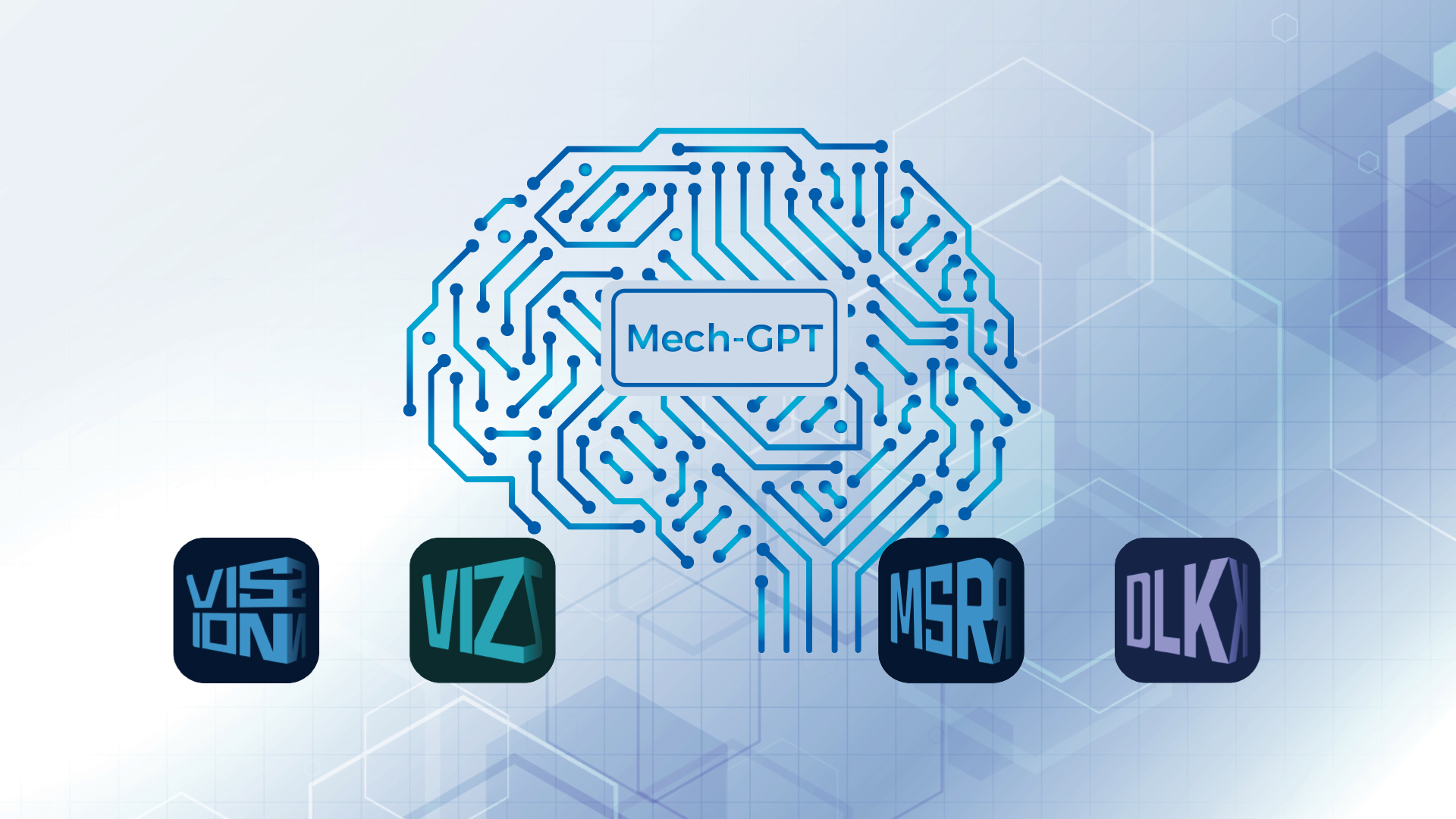 Mech-Mind’s AI Algorithms + Software Suites
By combining 3D cameras with AI-powered software, Mech-Mind helps customers move from image acquisition to complete vision-guided automation.
Conclusion
Choosing an industrial 3D vision system is not just about comparing camera specifications. In real production, manufacturers need to evaluate whether the system can deliver stable point clouds, adapt to different materials, resist environmental interference, integrate with automation equipment, and support reliable long-term operation.
A reliable 3D vision system helps robots see, understand, and act more accurately in complex manufacturing environments.
Mech-Mind combines Mech-Eye 3D cameras, AI-powered software, and industrial automation expertise to help manufacturers build flexible, stable, and efficient robot vision applications.
Contact Mech-Mind to learn how an industrial 3D vision system can support your automation project.
Next
No next post
Recent Posts
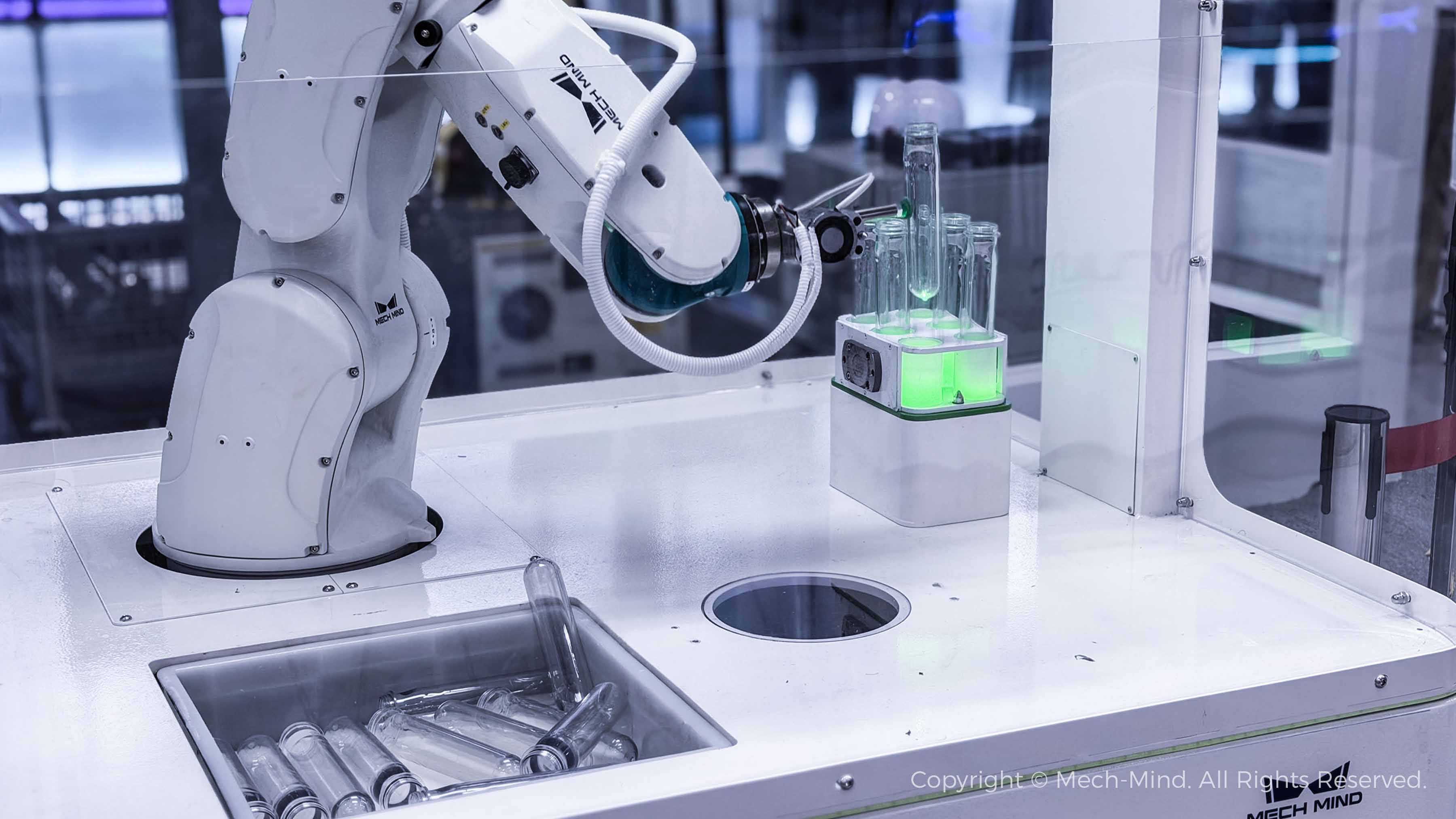
Seeing the Invisible: Why Transparent Objects Are So Hard for Robots
From Challenge to Reliability: Handling Reflective Parts with Mech-Mind “Eye + Brain”
How Robot Systems Power Sustainable, Low-Carbon Manufacturing
From Factory Floors to Global Lighthouses: 3D Vision's Role in 2026 Industrial Automation Goals
Why Leading Integrators and End-Customers Choose Mech-Mind for Reliable 3D Vision
Recommend Reading
Seeing the Invisible: Why Transparent Objects Are So Hard for Robots
Transparent objects seem ordinary in daily life, but for robots, they are some of the most difficult targets to see and...
From Challenge to Reliability: Handling Reflective Parts with Mech-Mind “Eye + Brain”
In real world industrial environments, robotic performance is often affected by changing ambient light, reflective surfa...
How Robot Systems Power Sustainable, Low-Carbon Manufacturing
Over the past few years, global manufacturing has accelerated its move to low carbon, environmentally responsible prod...